Understanding Mushroom Microdose Capsules: Ingredients, Scientific Research, Safety, and Consumer Awareness
Introduction
Mushroom microdose capsules are a category of products marketed in various regions for research, wellness discussions, or dietary supplementation, depending on their ingredients and local regulations. The term “microdose capsule” generally refers to a capsule containing a very small measured quantity of mushroom-derived material or other botanical ingredients. However, the contents of these products vary considerably between manufacturers.
Some products contain extracts from edible and functional mushrooms such as lion’s mane (Hericium erinaceus), reishi (Ganoderma lucidum), or cordyceps (Cordyceps militaris). Others may be marketed as containing compounds from species in the genus Psilocybe, while some products have been found to contain different ingredients than those listed on their labels. Because formulations differ widely, consumers should not assume that similarly named products have identical ingredients or effects.
This article is intended solely for educational purposes. It examines the science of mushroom capsules, ingredient labeling, quality control, current research, safety considerations, and legal issues. It does not promote or encourage the use of any psychoactive substance.
What Are Mushroom Microdose Capsules?
Microdose capsules are manufactured products designed to deliver a measured amount of powdered mushroom material, mushroom extract, or other ingredients in capsule form. The term “microdose” has no universally accepted regulatory definition, and products using this description may vary substantially in their composition.
Depending on the manufacturer, capsules may contain:
- Functional mushroom extracts
- Botanical ingredients
- Vitamins and minerals
- Nootropic compounds
- Adaptogenic herbs
- Other dietary ingredients
Accurate ingredient disclosure is essential because products marketed under similar names may contain entirely different formulations.
Understanding Product Labels
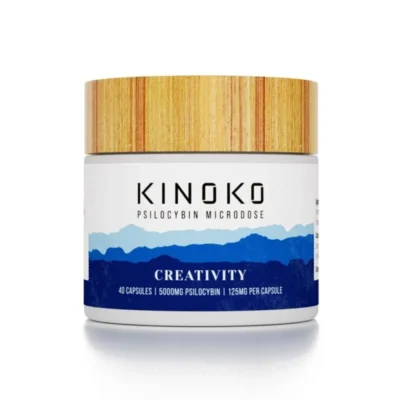
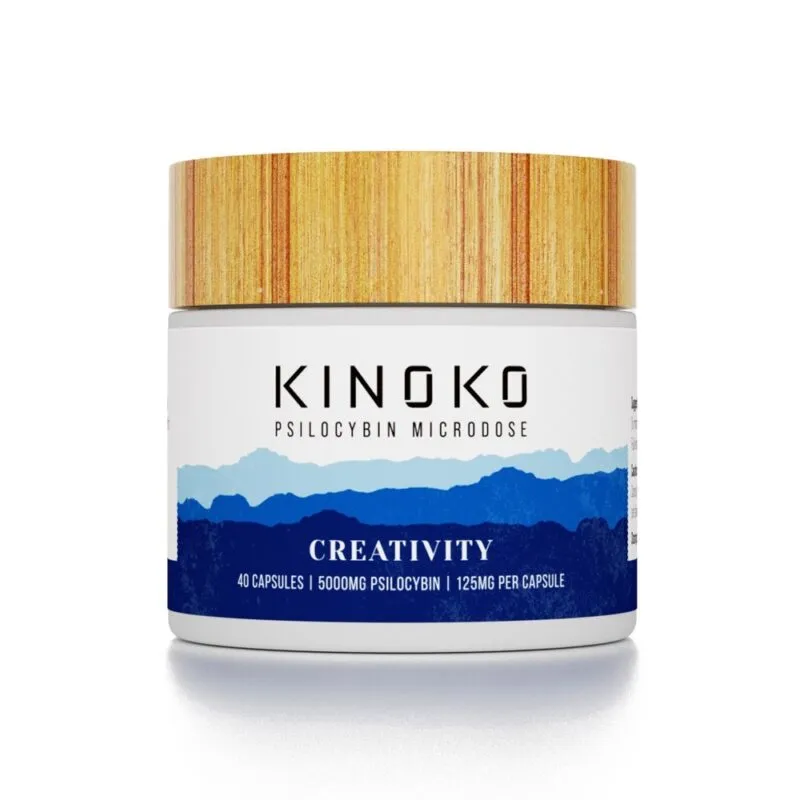
Consumers often encounter labels displaying values such as “500 mg,” “2,000 mg,” or “5,000 mg.” These numbers usually indicate the total quantity of ingredients in a serving or package rather than the amount of any single compound.
Important labeling information includes:
- Ingredient list
- Serving size
- Number of capsules
- Batch number
- Manufacturing date
- Expiration date
- Storage instructions
- Manufacturer contact information
Reading the complete label provides more useful information than focusing only on the milligram value displayed on the front of the package.
Functional Mushrooms
Many commercially available mushroom capsules contain extracts from edible mushrooms that have been studied for their nutritional composition and bioactive compounds.
Examples include:
Lion’s Mane (Hericium erinaceus)
Known for its distinctive appearance, lion’s mane has been studied for its polysaccharides, erinacines, and hericenones. Research continues to investigate its biological properties, although many questions remain regarding its clinical applications.
Reishi (Ganoderma lucidum)
Reishi has a long history of traditional use and contains compounds such as triterpenes and beta-glucans that are of interest to researchers studying fungal chemistry and immunology.
Cordyceps (Cordyceps militaris)
Cordyceps species have been investigated for their unique metabolites, including cordycepin and various polysaccharides.
These mushrooms differ significantly from species that naturally produce psilocybin.
Mushroom Chemistry
Scientists study mushrooms because they produce a wide variety of naturally occurring compounds.
Depending on the species, mushrooms may contain:
- Beta-glucans
- Ergothioneine
- Terpenoids
- Polysaccharides
- Phenolic compounds
- Vitamins
- Minerals
- Amino acids
The specific chemical profile depends on genetics, growing conditions, harvesting methods, and processing techniques.
Quality Control
Quality assurance is an important consideration for all dietary supplements.
Responsible manufacturers may perform testing for:
- Ingredient identity
- Heavy metals
- Microbial contamination
- Pesticides
- Residual solvents
- Moisture content
- Label accuracy
Independent third-party laboratory testing helps verify that products match their stated specifications.
Scientific Research
Interest in mushroom-derived compounds has grown significantly during the past two decades.
Researchers investigate mushrooms in fields including:
- Mycology
- Food science
- Natural products chemistry
- Biotechnology
- Nutrition
- Ecology
- Pharmacology
- Analytical chemistry
Much of this research focuses on identifying naturally occurring compounds and understanding their biological roles.
Current Evidence
Although many mushroom-derived compounds are being investigated, scientific evidence varies depending on the specific species and compound studied.
Researchers continue to examine:
- Bioactive molecule identification
- Chemical stability
- Metabolic pathways
- Nutritional composition
- Standardized extraction methods
- Product consistency
Many areas remain under active investigation, and additional high-quality clinical research is needed.
Consumer Awareness
Consumers should evaluate mushroom products carefully by considering:
- Complete ingredient disclosure
- Independent laboratory testing
- Manufacturing transparency
- Storage recommendations
- Scientific evidence supporting product claims
- Compliance with local regulations
Critical evaluation helps consumers make informed decisions about dietary supplements.
Public Health Considerations
Public health agencies have reported that some mushroom products sold commercially contained ingredients that differed from their labeling. These findings emphasize the importance of quality control, regulatory oversight, and laboratory verification.
Consumers should avoid assuming that products with similar names or packaging contain identical ingredients.
Food Safety
General food and supplement safety recommendations include:
- Read labels carefully.
- Follow storage recommendations.
- Observe expiration dates.
- Review allergen information.
- Purchase from reputable manufacturers.
- Keep supplements away from children and pets.
These practices apply broadly to dietary supplements and food products.
Regulation
The regulation of mushroom capsules differs around the world.
Depending on the country, products may be regulated as:
- Foods
- Dietary supplements
- Traditional herbal products
- Medicinal products
- Controlled substances
Manufacturers and consumers should comply with the laws and regulations that apply in their jurisdiction.
Future Research
Scientists continue investigating mushroom-derived compounds using modern analytical techniques, including:
- DNA sequencing
- Liquid chromatography
- Mass spectrometry
- Genomics
- Metabolomics
- Proteomics
These technologies improve understanding of mushroom biology, chemistry, and biodiversity.
Environmental Importance of Mushrooms
Beyond their use in food and research, mushrooms play essential ecological roles.
Fungi contribute to:
- Nutrient recycling
- Soil formation
- Organic matter decomposition
- Forest ecosystem health
- Plant-fungal interactions
- Biodiversity
Their ecological importance extends far beyond commercial products.
Conclusion
Mushroom microdose capsules represent one segment of the broader mushroom supplement market. Because products vary widely in composition, consumers should focus on ingredient transparency, independent quality testing, scientific evidence, and compliance with applicable regulations rather than relying on product names or marketing claims.
Educational discussions about mushroom capsules should emphasize mycology, food science, consumer awareness, and evidence-based research. Continued scientific investigation will improve understanding of mushroom chemistry, fungal biology, and the role of mushroom-derived compounds in nutrition, biotechnology, and environmental science.
This article is intended solely for educational purposes and should not be interpreted as medical, legal, or purchasing advice. Readers seeking additional information are encouraged to consult peer-reviewed scientific journals, university publications, and official public health resources.
Be the first to review “Kinoko Microdose Capsules (5000mg) – Creativity”
Related products
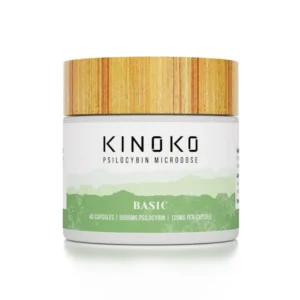
mushroom capsules
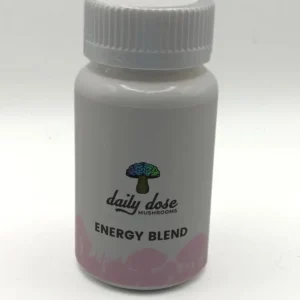
mushroom capsules
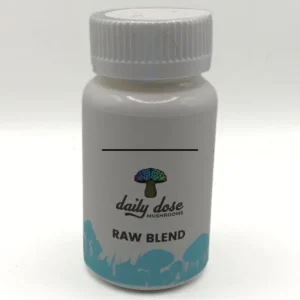
mushroom capsules
mushroom capsules
mushroom capsules
mushroom capsules
mushroom capsules
mushroom capsules
1 review for Kinoko Microdose Capsules (5000mg) – Creativity
There are no reviews yet.