Understanding Mushroom Microdose Capsules: Ingredients, Scientific Research, Quality Control, and Consumer Safety
Understanding Mushroom Microdose Capsules | Ingredients, Research & Consumer Safety Description
Learn about mushroom microdose capsules from an educational perspective. Explore ingredient labeling, quality control, scientific research, manufacturing standards, consumer safety, and current regulations.
Understanding Mushroom Microdose Capsules: Ingredients, Scientific Research, Quality Control, and Consumer Safety
Introduction
Mushroom capsules have become an increasingly visible category within the dietary supplement and wellness industry. Products marketed as mushroom capsules may contain extracts from edible mushrooms, functional mushrooms, or other botanical ingredients, depending on the manufacturer and the regulations of the country in which they are sold.
Because product formulations differ considerably, understanding how these supplements are manufactured, labeled, tested, and regulated is essential for consumers, researchers, healthcare professionals, and students of mycology.
This educational guide explores mushroom capsule ingredients, manufacturing practices, scientific research, quality assurance, labeling standards, consumer safety, and environmental sustainability. It is intended for informational purposes only and does not endorse or promote any specific product.
What Are Mushroom Capsules?
Mushroom capsules are dietary supplements that contain powdered mushrooms, concentrated mushroom extracts, or combinations of mushroom-derived ingredients and botanicals.
Manufacturers may formulate capsules using:
- Whole mushroom powder
- Fruiting body extracts
- Mycelium-based ingredients
- Botanical extracts
- Vitamins and minerals
- Plant-derived compounds
Different manufacturers use different extraction processes and ingredient combinations, making careful label reading important.
Common Functional Mushroom Species
Researchers have studied several edible mushrooms for their nutritional composition and naturally occurring bioactive compounds.
Examples include:
Lion’s Mane (Hericium erinaceus)
Lion’s mane is recognized for compounds known as hericenones and erinacines. Researchers continue studying its chemistry and biology.
Reishi (Ganoderma lucidum)
Reishi contains beta-glucans, triterpenes, and polysaccharides that have been investigated in food science and natural products research.
Cordyceps (Cordyceps militaris)
Cordyceps species produce naturally occurring compounds such as cordycepin and continue to be studied for their unique chemistry.
Turkey Tail (Trametes versicolor)
Turkey Tail contains polysaccharides that have been investigated extensively in fungal and nutritional research.
Chaga (Inonotus obliquus)
Chaga contains antioxidants and other naturally occurring compounds that continue to attract scientific interest.
Mushroom Chemistry
Mushrooms produce a remarkable variety of naturally occurring compounds, including:
- Beta-glucans
- Ergothioneine
- Polysaccharides
- Terpenoids
- Phenolic compounds
- Sterols
- Amino acids
- Vitamins
- Minerals
The exact composition depends on species, genetics, substrate, harvesting time, and processing methods.
Manufacturing Process
Commercial mushroom supplements generally follow several production stages:
- Mushroom cultivation or harvesting
- Cleaning and preparation
- Drying
- Milling into powder
- Extraction (for extract products)
- Quality testing
- Encapsulation
- Packaging
- Batch verification
Each stage contributes to overall product quality and consistency.
Understanding Product Labels
Consumers should review supplement labels carefully.
Important information includes:
- Ingredient list
- Serving size
- Number of capsules
- Suggested storage conditions
- Manufacturer details
- Batch number
- Expiration date
- Allergen information
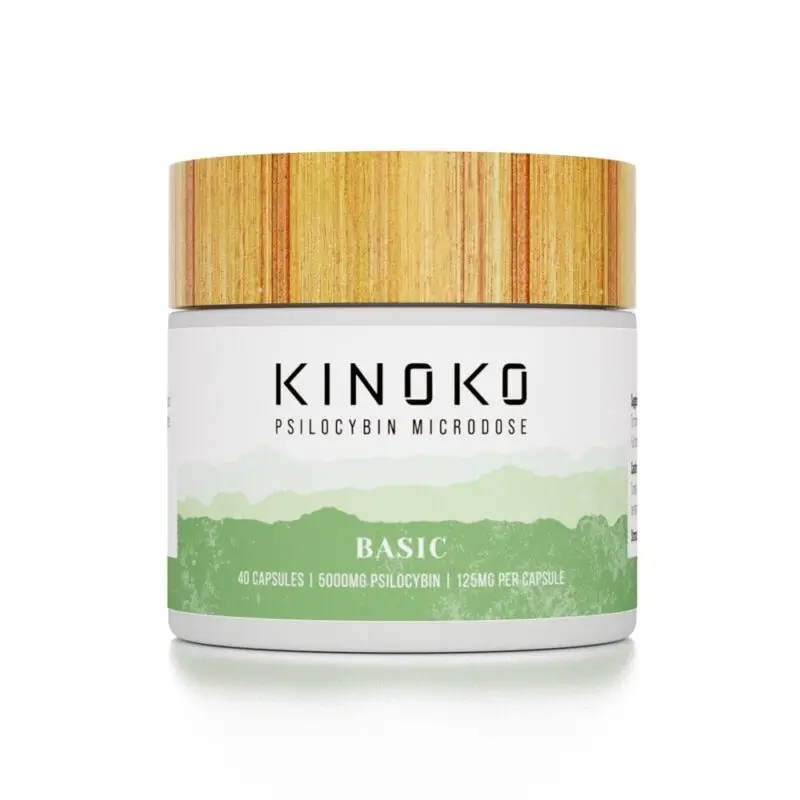
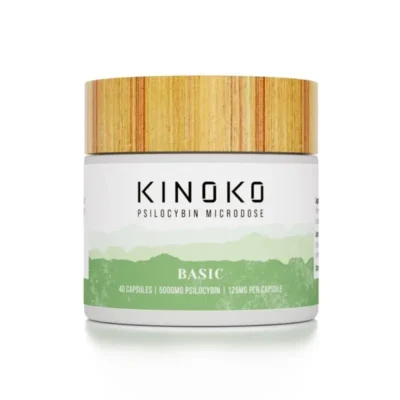
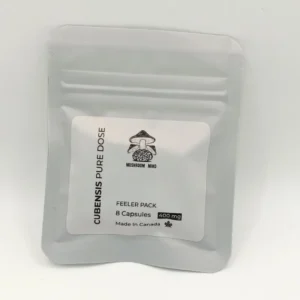
A large number displayed on the front of a package may refer to the total amount of ingredients rather than one specific compound.
Quality Assurance
Responsible manufacturers often implement quality assurance procedures that may include:
- Raw material verification
- Identity testing
- Heavy metal screening
- Microbial analysis
- Moisture testing
- Pesticide screening
- Batch consistency checks
Independent third-party laboratory testing can provide additional confidence regarding product quality.
Third-Party Laboratory Testing
Laboratories may evaluate products for:
- Species identification
- Ingredient authenticity
- Purity
- Microbial contamination
- Heavy metals
- Residual solvents
- Label accuracy
These analyses help improve transparency within the supplement industry.
Scientific Research
Scientists continue studying mushrooms in multiple disciplines, including:
- Mycology
- Food science
- Biotechnology
- Natural products chemistry
- Ecology
- Nutrition
- Analytical chemistry
- Environmental science
Research improves understanding of fungal biology and naturally occurring compounds.
Consumer Safety
General recommendations for dietary supplements include:
- Read ingredient labels.
- Purchase products from reputable manufacturers.
- Check expiration dates.
- Review allergen information.
- Store products according to package instructions.
- Keep supplements away from children and pets.
These recommendations apply broadly to dietary supplements.
Regulation
Mushroom supplements are regulated differently throughout the world.
Depending on local laws, products may be classified as:
- Foods
- Dietary supplements
- Traditional herbal products
- Medicinal products
Manufacturers and consumers should follow the regulations applicable in their jurisdiction.
Sustainability
Many mushroom producers are adopting sustainable production methods, including:
- Responsible substrate sourcing
- Reduced water consumption
- Renewable energy use
- Recyclable packaging
- Waste reduction initiatives
Sustainable production supports environmental conservation while maintaining product quality.
Future Research
Advances in analytical technology continue to improve mushroom research.
Scientists use techniques such as:
- DNA sequencing
- Genomics
- Metabolomics
- Liquid chromatography
- Mass spectrometry
- Microscopy
These tools help researchers better understand fungal diversity and chemistry.
Frequently Asked Questions
What are mushroom capsules?
Mushroom capsules are dietary supplements that contain mushroom-derived ingredients, such as powders or extracts, sometimes combined with other botanicals or nutrients.
Why is ingredient transparency important?
Clear ingredient lists help consumers understand what a product contains and allow healthcare professionals and researchers to evaluate formulations more effectively.
Why is third-party testing valuable?
Independent laboratory testing helps verify ingredient identity, purity, and product quality while screening for contaminants.
Do all mushroom supplements contain the same ingredients?
No. Formulations differ significantly among manufacturers, so product names alone do not indicate identical contents.
Why should consumers read supplement labels carefully?
Labels provide important information about ingredients, serving size, allergens, storage recommendations, and manufacturer details.
Educational Keywords
mushroom capsules, functional mushrooms, mushroom supplements, dietary supplements, mushroom extracts, mycology, fungal biology, mushroom research, quality control, supplement testing, third-party laboratory testing, mushroom ingredients, mushroom manufacturing, ingredient transparency, consumer safety, mushroom chemistry, food science, biotechnology, mushroom nutrition, sustainable mushroom production
Conclusion
Mushroom capsules represent a growing area of interest in nutrition, food science, and mycology. Because products differ substantially in composition and manufacturing practices, consumers benefit from understanding ingredient labeling, quality assurance, laboratory testing, and regulatory standards.
Educational resources should emphasize evidence-based information, scientific literacy, and informed decision-making. Continued research into fungi and mushroom-derived compounds will expand our understanding of fungal biology, nutrition, biotechnology, and environmental sustainability while supporting responsible consumer education.
Be the first to review “Kinoko Microdose Capsules (5000mg) – Basic”
Related products
mushroom capsules
mushroom capsules
mushroom capsules
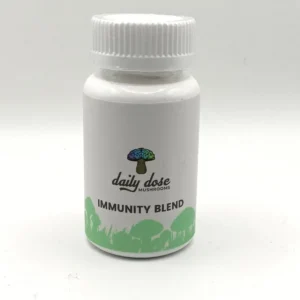
mushroom capsules
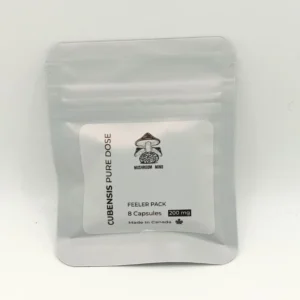
mushroom capsules
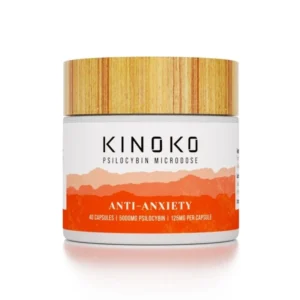
mushroom capsules
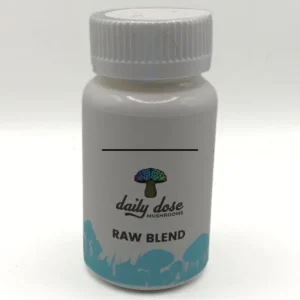
mushroom capsules
mushroom capsules
Reviews
There are no reviews yet.