Trans Envy Magic Mushrooms: An Educational Overview of a Psilocybe cubensis Variety
Introduction
Trans Envy Magic Mushrooms are a cultivated variety associated with the species Psilocybe cubensis, one of the most widely studied mushroom-forming fungi in the genus Psilocybe. The Trans Envy variety is considered part of the diverse collection of cultivated Psilocybe cubensis lineages that have been developed and preserved within mycological communities. Like other named varieties, Trans Envy is not recognized as a separate scientific species but rather as a cultivated genetic lineage within Psilocybe cubensis.
This article is intended solely for educational purposes. It explores the taxonomy, morphology, ecology, life cycle, and scientific significance of Trans Envy Magic Mushrooms. It does not provide instructions for cultivation, consumption, distribution, or any activities that may be restricted under applicable laws.
Taxonomy
Trans Envy belongs to the following scientific classification:
- Kingdom: Fungi
- Division: Basidiomycota
- Class: Agaricomycetes
- Order: Agaricales
- Family: Hymenogastraceae
- Genus: Psilocybe
- Species: Psilocybe cubensis
The name “Trans Envy” is an informal designation used within mycological communities to identify a cultivated lineage of Psilocybe cubensis. It is not an officially recognized taxonomic classification.
Background
Trans Envy is one of many cultivated varieties that illustrate the genetic diversity present within Psilocybe cubensis. Named varieties arise through selective breeding, isolation of inherited characteristics, and the preservation of stable genetic lineages over time.
These names help researchers and mycology enthusiasts distinguish different cultivated lineages while recognizing that they remain members of the same biological species.
Physical Characteristics
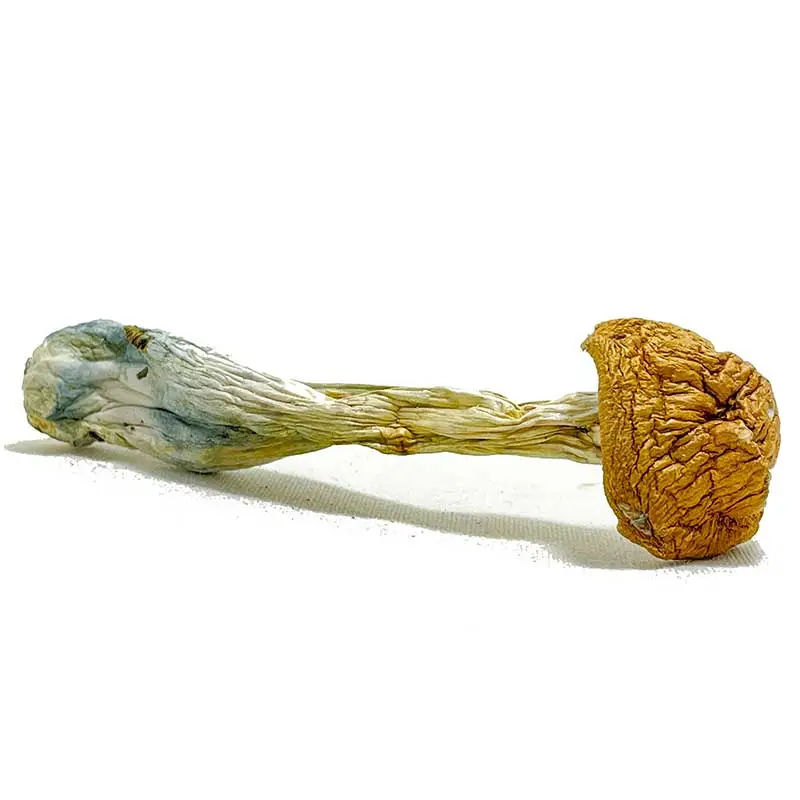
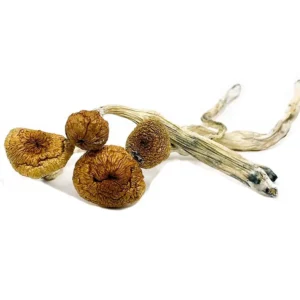
Trans Envy Magic Mushrooms display many of the physical features typical of Psilocybe cubensis. Individual specimens naturally vary according to genetics, environmental conditions, and stage of development.
Typical characteristics include:
- Rounded to convex caps that gradually flatten as they mature
- Caps ranging from light tan to caramel brown
- White to cream-colored stems
- Purple-brown spores produced by mature fruiting bodies
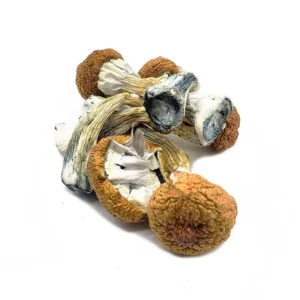
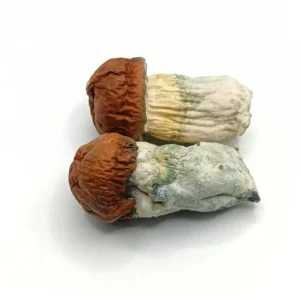
- Blue bruising when mushroom tissue is physically damaged
- Natural variation in cap size, stem thickness, and overall morphology
As with all fungi, appearance varies naturally among individual specimens.
Blue Bruising
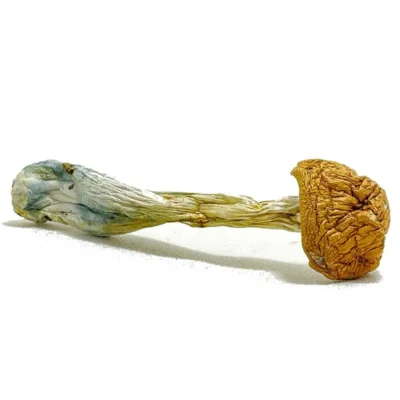
Blue bruising is commonly observed in members of the genus Psilocybe.
When mushroom tissue is bruised or damaged, naturally occurring compounds undergo oxidation, producing a blue coloration. Researchers continue to investigate the biochemical mechanisms responsible for this reaction. Current scientific evidence indicates that bruising intensity alone should not be interpreted as a reliable indicator of chemical composition.
Ecology
Wild populations of Psilocybe cubensis occur primarily in tropical and subtropical environments where warm temperatures, seasonal rainfall, and abundant organic material support fungal growth.
As decomposers, these fungi play an essential ecological role by breaking down organic matter and recycling nutrients into the soil. Their underground mycelial networks contribute to nutrient cycling, soil fertility, and ecosystem stability.
These ecological functions demonstrate the importance of fungi in maintaining healthy ecosystems.
Life Cycle
Like other mushroom-forming fungi, Psilocybe cubensis follows a characteristic reproductive life cycle.
Microscopic spores germinate under favorable environmental conditions and develop into thread-like hyphae. These hyphae form an interconnected mycelial network responsible for nutrient absorption and growth.
When environmental conditions become favorable, the mycelium produces fruiting bodies. Mature mushrooms release spores from specialized structures beneath the cap, completing the reproductive cycle and enabling new fungal colonies to develop.
This life cycle is fundamental to fungal biology and mycology.
Naturally Occurring Compounds
Species within the genus Psilocybe naturally synthesize several compounds that continue to be investigated through scientific research.
Among the most extensively studied are:
- Psilocybin
- Psilocin
- Baeocystin
- Norbaeocystin
The concentrations of these compounds vary naturally according to genetics, environmental conditions, and developmental stage. Researchers continue studying their biosynthesis and biological roles within fungi.
Scientific Research
Scientific interest in Psilocybe species has increased significantly in recent decades. Researchers investigate these fungi to improve understanding of fungal genetics, biodiversity, ecology, chemistry, and evolution.
Current research topics include:
- Genetic diversity within Psilocybe cubensis
- Evolutionary biology of fungi
- Biosynthesis of naturally occurring compounds
- Fungal taxonomy and biodiversity
- Ecology of decomposer fungi
- Potential therapeutic applications of psilocybin under carefully regulated clinical research
These studies are conducted under ethical oversight and within applicable legal research frameworks.
Genetic Diversity
Trans Envy demonstrates the remarkable diversity found within Psilocybe cubensis. Differences in morphology, pigmentation, and inherited traits arise through natural genetic variation and selective breeding.
Advances in molecular biology and DNA sequencing continue to improve scientific understanding of relationships among cultivated varieties and naturally occurring fungal populations.
Common Misconceptions
Several misconceptions are associated with Trans Envy Magic Mushrooms.
One common misunderstanding is that Trans Envy represents a separate species. Scientifically, it remains a cultivated variety within Psilocybe cubensis.
Another misconception is that external characteristics such as mushroom size, cap color, stem thickness, or blue bruising accurately indicate the concentration of naturally occurring compounds. Current scientific evidence does not support drawing conclusions about chemical composition based solely on visible appearance.
Legal Considerations
The legal status of psilocybin-containing mushrooms varies significantly among countries and jurisdictions. Some regions prohibit possession and cultivation, while others permit scientific research or regulated medical applications under specific legal frameworks.
Individuals interested in these fungi should become familiar with the laws applicable in their jurisdiction before engaging in any related activities.
Importance in Mycology
Trans Envy contributes to scientific understanding of fungal genetics, taxonomy, morphology, biodiversity, and ecology. Studying cultivated varieties enables researchers to investigate inherited characteristics, evolutionary relationships, and the diversity found within Psilocybe cubensis.
The field of mycology continues to contribute valuable knowledge to ecology, environmental science, biotechnology, agriculture, conservation biology, and medicine through the study of fungal biology.
Conclusion
Trans Envy Magic Mushrooms represent a cultivated variety within the species Psilocybe cubensis. From an educational perspective, they provide insight into fungal taxonomy, morphology, ecology, genetics, and the remarkable diversity that exists within a single fungal species.
Educational discussions should emphasize evidence-based scientific information while recognizing the legal and ethical considerations surrounding psilocybin-producing fungi. Continued scientific research into Psilocybe cubensis advances our understanding of fungal biology, biodiversity, and the important ecological roles fungi perform within natural ecosystems.
This article is intended solely for educational purposes. Readers are encouraged to consult peer-reviewed scientific journals, university publications, and reputable mycology organizations for further information about Psilocybe cubensis, fungal biology, and the broader field of mycology.
| weight | 14g, 28g, 7g |
|---|
Be the first to review “Trans Envy Magic Mushrooms”
Related products
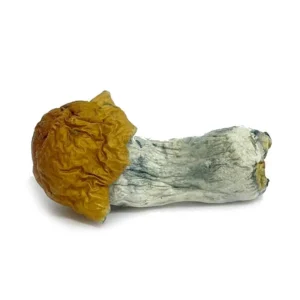
Raw Mushrooms
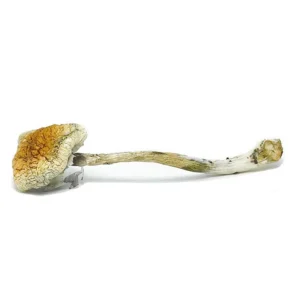
Raw Mushrooms
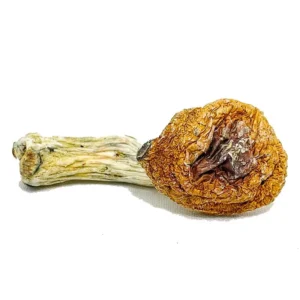
Raw Mushrooms
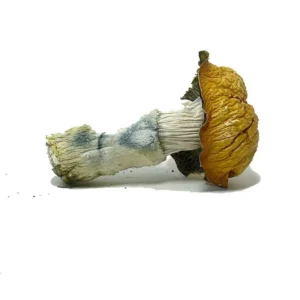
Raw Mushrooms
Raw Mushrooms
Raw Mushrooms
Raw Mushrooms
Raw Mushrooms
4 reviews for Trans Envy Magic Mushrooms
There are no reviews yet.