Hash
Hash
Hash
Hash
Hash
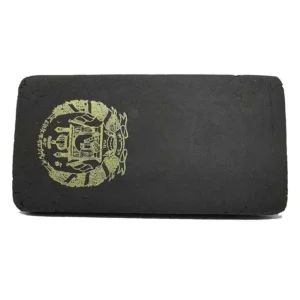
Exploring Traditional Hash Varieties
Traditional hash comes in many regional styles, each reflecting different cultivation practices, resin quality, and production techniques. These products are typically made by collecting and compressing the resin-rich trichomes from cannabis flowers using solventless mechanical methods.
One example is Nepalese Charas Hash, a hand-pressed resin traditionally produced by gently collecting fresh trichomes from living cannabis plants. It is often recognized for its soft, pliable texture and deep, dark appearance.
Another well-known variety is Moroccan Diamond Hash, inspired by Morocco’s long history of hash production. Moroccan-style hash is commonly appreciated for its refined texture, aromatic terpene profile, and traditional craftsmanship.
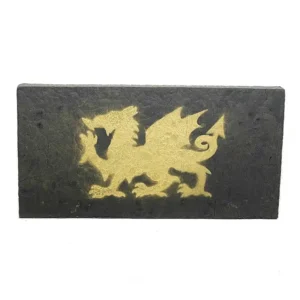
For those interested in solventless concentrates produced through mechanical extraction, Dragon Hash represents another traditional style. Depending on the source material and curing process, it may display earthy aromas, resin-rich consistency, and a smooth, compact texture.
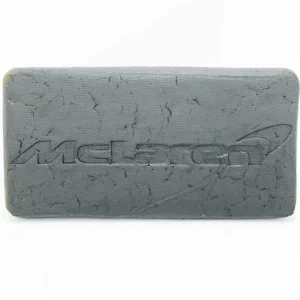
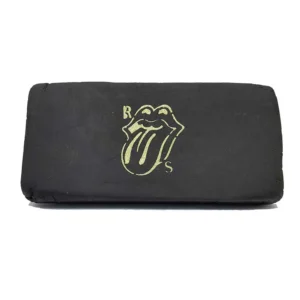
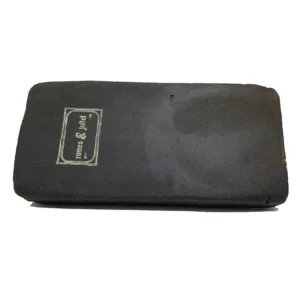
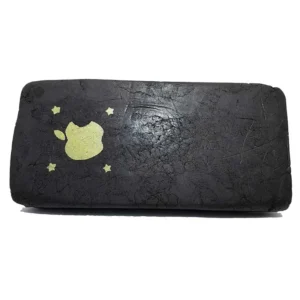
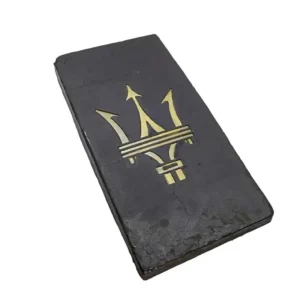
Other traditional-style hash varieties commonly discussed within cannabis education include Mercedes Hash, McLaren Hash, Maserati Hash, Top Gun Hash, Bentley Hash, Rolling Stone Hash, Romeo & Juliet Hash, Afghan Apple Hash, Afghan Royal Hash, Afghan Kabul Hash, Afghan Mazar Sharif Hash, and Zig Zag Hash. Each may differ in appearance, aroma, terpene composition, and traditional production techniques.
What Is Hash?
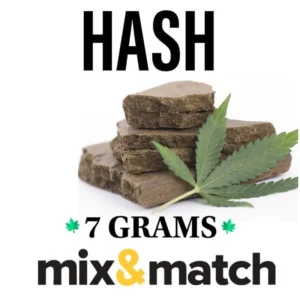
Hash, also known as hashish, is one of the oldest cannabis concentrates. It is produced by separating the resin glands (trichomes) from mature cannabis flowers and compressing them into a concentrated form.
Traditional hash is commonly made using solventless techniques such as:
-
Dry sifting
-
Ice water extraction
-
Hand pressing
-
Mechanical trichome separation
These methods help preserve naturally occurring cannabinoids, terpenes, and flavonoids while minimizing plant material.
Different regions have developed unique styles of hash production over centuries, resulting in concentrates with distinctive textures, colors, aromas, and resin characteristics.
Common Characteristics of Traditional Hash
Although every variety is unique, traditional hash often shares several characteristics:
-
Resin-rich composition
-
Dense consistency
-
Solventless production
-
High trichome concentration
-
Rich terpene profile
-
Traditional craftsmanship
Appearance may range from light golden brown to nearly black depending on the cultivar, curing process, and production method.
Aroma Profiles
The aroma of hash is largely influenced by its terpene composition. Common aromatic notes include:
-
Earthy
-
Woody
-
Pine
-
Herbal
-
Floral
-
Citrus
-
Fruity
-
Sweet spice
Each variety develops its own unique profile based on cannabis genetics and processing techniques.
Texture
Traditional hash can vary considerably in texture. Depending on production methods and storage conditions, it may be:
-
Soft
-
Pliable
-
Dense
-
Resinous
-
Smoothly pressed
-
Slightly crumbly
Understanding the Effects of Hash
The effects of cannabis concentrates can vary widely depending on cannabinoid content, terpene composition, individual tolerance, dosage, and method of consumption. Scientific research and user reports suggest that experiences may differ from person to person.
Commonly reported effects include:
Physical Relaxation
Some users describe a sense of physical relaxation or reduced muscle tension following cannabis consumption.
Altered Mood
Cannabis may produce feelings of happiness or changes in mood for some individuals.
Changes in Perception
Users may notice alterations in sensory perception, attention, or the way they experience time.
Mental Effects
Some individuals report increased creativity or focus, while others experience reduced concentration depending on the product and dose.
Sedation
Certain cannabis varieties are associated with relaxing or calming effects that some people find conducive to rest.
Because responses vary significantly, no specific experience can be expected for every individual.
Traditional Ways Hash Has Been Used
Historically, hash has been incorporated into cannabis consumption using several methods. These methods vary by region and tradition.
Examples include:
-
Mixing with dried cannabis flower
-
Using traditional smoking pipes
-
Water-filtered devices
-
Other region-specific preparation techniques
The method chosen can influence the overall experience and efficiency of cannabinoid delivery.
Frequently Asked Questions
What is hash made from?
Hash is produced from the resin glands (trichomes) of cannabis flowers using mechanical separation methods such as dry sifting or ice water extraction.
Is hash solventless?
Many traditional varieties are considered solventless because they rely on mechanical separation instead of chemical solvents.
Why do different hash varieties look different?
Color, texture, and appearance depend on factors including cannabis genetics, harvest timing, resin maturity, extraction techniques, curing methods, and storage conditions.
What gives hash its aroma?
Hash derives its aroma from naturally occurring terpenes, which contribute earthy, herbal, woody, floral, citrus, fruity, and spicy characteristics.
Does every hash variety produce the same effects?
No. Individual experiences vary depending on cannabinoid and terpene composition, dose, method of use, and personal factors. Effects can differ considerably between products and individuals.
Educational Disclaimer
This information is provided solely for educational and informational purposes. Cannabis laws vary by country, state, province, and local jurisdiction. Always follow the laws and regulations applicable where you live regarding the possession, production, and use of cannabis.