
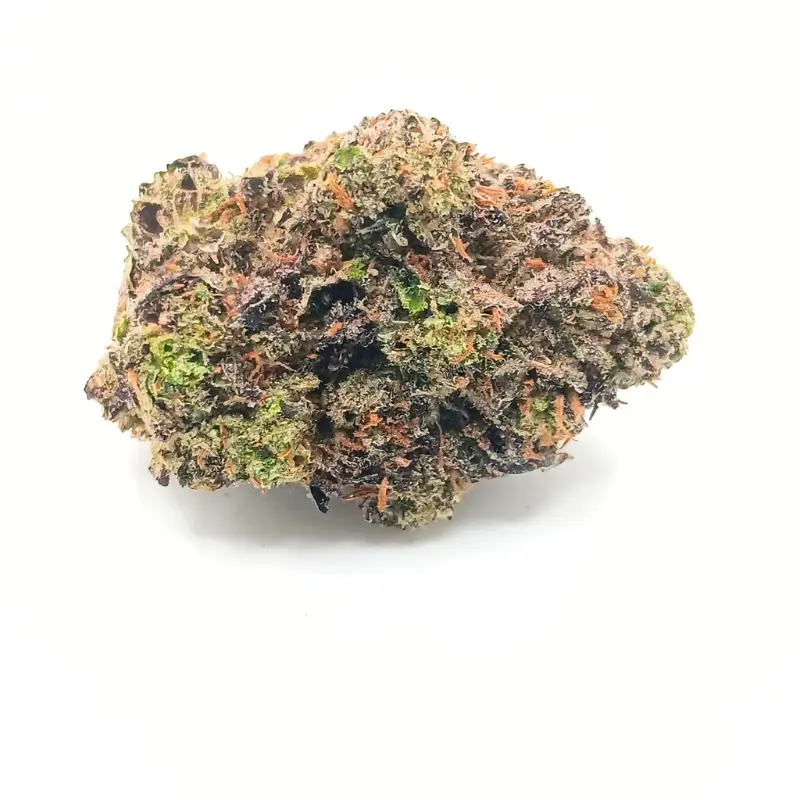
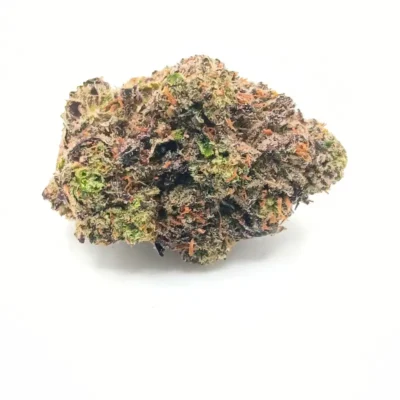
Ice Cream Gelato Strain
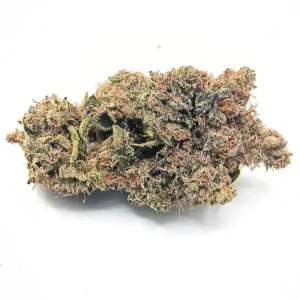
Ice Cream Gelato is an indica dominant hybrid strain, It’s Named for its super delicious flavor and celebrity parentage, Ice Cream Gelato is the perfect bud for any discerning indica lover. Much like the name suggests, Ice Cream Gelato has a sweet and creamy vanilla flavor with hints of nutty cake and fresh fruits. The aroma is just as delicious, with a nutty vanilla overtone that’s creamy, sugary and fruity at the same time.
The Ice Cream Gelato high will have you feeling just as amazing as the flavor, with a soothing overtone that will have your physical form feeling relaxed while your mental state takes off to new heights of happy sociability. You’ll be chatty and pretty giggly from start to finish, laughing at anything and everything around you for hours. This is accompanied by a lightly sedative body high that will instantly lock you to the couch without making you too sleepy. With these effects and its high 20-26% average THC level, Ice Cream Gelato is said to be perfect for treating chronic pain, depression or mood swings and chronic stress or anxiety.
Ice Cream Gelato Cannabis Cultivar: Genetics, Botanical Characteristics, Phytochemistry, and Scientific Research
Introduction
The Ice Cream Gelato cannabis cultivar is one of many named cultivars developed through selective breeding within the Cannabis genus. Cultivars are created to express particular botanical and agricultural characteristics, and researchers study them to better understand plant genetics, morphology, phytochemistry, and cultivation practices.
While commercial names are commonly used in legal cannabis markets, scientific evaluation focuses on measurable characteristics such as genetic lineage, cannabinoid and terpene composition, plant structure, and environmental influences on growth. Because commercial naming conventions are not standardized worldwide, researchers increasingly rely on laboratory analysis and genetic testing rather than cultivar names alone.
This article is intended solely for educational purposes. It provides an overview of cannabis plant science using the Ice Cream Gelato cultivar as an example and does not promote the cultivation, purchase, or use of cannabis products.
What Is a Cannabis Cultivar?
A cannabis cultivar is a cultivated variety developed through selective breeding. Breeders select plants with desired traits over multiple generations to improve consistency.
Researchers evaluate cultivars based on characteristics including:
- Plant height
- Leaf morphology
- Flower structure
- Growth cycle
- Environmental adaptability
- Chemical composition
- Genetic stability
These characteristics are influenced by both inherited genetics and environmental conditions.
Cannabis Taxonomy
Cannabis belongs to the Cannabaceae family.
Historically, cannabis has been classified into groups such as:
- Cannabis sativa
- Cannabis indica
- Cannabis ruderalis
Modern genetic studies indicate that many commercially available cultivars are hybrids, reflecting complex breeding histories. As a result, botanical classification increasingly relies on genetic data rather than traditional commercial labels.
Plant Genetics
Selective breeding aims to stabilize traits that breeders consider desirable for research or agricultural purposes.
Genetic studies examine factors such as:
- Inheritance patterns
- Flowering characteristics
- Plant architecture
- Disease resistance
- Environmental resilience
- Chemical biosynthesis pathways
DNA-based methods continue to improve understanding of relationships among cultivars.
Plant Morphology
Botanists describe cannabis plants using observable physical features.
Important characteristics include:
- Leaf arrangement
- Leaflet shape
- Stem development
- Flower structure
- Trichome density
- Color variation
- Seed production
Morphological observations help distinguish cultivars while supporting botanical documentation and breeding research.
Phytochemistry
Cannabis produces a diverse range of naturally occurring plant compounds.
Researchers commonly investigate:
Cannabinoids
Cannabinoids are synthesized in glandular trichomes and vary between cultivars and growing conditions.
Terpenes
Terpenes contribute to the characteristic aroma of cannabis plants and are also found in many other plant species.
Examples include:
- Myrcene
- Limonene
- Caryophyllene
- Pinene
- Linalool
- Humulene
- Terpinolene
Scientists study terpene biosynthesis, ecological roles, and analytical identification.
Flavonoids
Cannabis also contains flavonoids, pigments that contribute to plant coloration and are widely studied in plant biochemistry.
Environmental Influences
Plant characteristics are influenced by environmental conditions throughout cultivation.
Researchers investigate:
- Temperature
- Light intensity
- Photoperiod
- Soil composition
- Water availability
- Relative humidity
- Nutrient management
- Air circulation
Environmental variables can affect plant growth, flowering, and chemical composition.
Laboratory Analysis
Scientific laboratories analyze cannabis using validated analytical methods.
Common techniques include:
High-Performance Liquid Chromatography (HPLC)
HPLC is widely used to separate and quantify cannabinoid compounds.
Gas Chromatography–Mass Spectrometry (GC-MS)
GC-MS is frequently used to identify and characterize terpene profiles and other volatile compounds.
Moisture Analysis
Moisture testing helps assess storage stability and sample quality.
Contaminant Screening
Laboratories may test for:
- Heavy metals
- Pesticide residues
- Microbial contaminants
- Residual solvents (where applicable)
These analyses support research quality and regulatory compliance in jurisdictions where testing is required.
Agricultural Research
Cannabis cultivation research includes studies on:
- Plant nutrition
- Irrigation strategies
- Soil microbiology
- Integrated pest management
- Sustainable cultivation practices
- Controlled-environment agriculture
These areas contribute to broader knowledge in horticulture and crop science.
Sustainability
Researchers are increasingly interested in improving the environmental sustainability of cannabis cultivation.
Topics include:
- Efficient water use
- Renewable energy
- Soil conservation
- Resource management
- Waste reduction
- Sustainable packaging
These practices are relevant across many agricultural industries.
Consumer Education
Educational resources encourage readers to:
- Understand scientific terminology.
- Distinguish laboratory findings from marketing language.
- Review available research critically.
- Recognize that commercial cultivar names may not reflect unique genetic identities.
- Consult official sources for local legal and regulatory information.
Scientific literacy helps readers evaluate information using evidence rather than promotional claims.
Frequently Asked Questions
What is a cannabis cultivar?
A cannabis cultivar is a cultivated plant variety developed through selective breeding to express particular genetic and physical characteristics.
Why do scientists study cannabis genetics?
Genetic research helps explain plant diversity, inheritance patterns, and the biological pathways involved in producing naturally occurring plant compounds.
Why are laboratory methods important?
Analytical techniques help identify plant compounds, evaluate sample quality, and support reproducible scientific research.
Can environmental conditions influence plant characteristics?
Yes. Factors such as light, temperature, water availability, and nutrients can influence plant development and chemical composition.
Why are commercial cultivar names not always scientifically reliable?
Commercial names are not standardized worldwide. Genetic analysis provides a more objective way to compare cultivars and understand their relationships.
Educational SEO Keywords
Ice Cream Gelato cannabis cultivar, cannabis genetics, cannabis botany, cannabis taxonomy, cannabis phytochemistry, cannabinoid research, terpene analysis, plant morphology, cannabis laboratory testing, HPLC analysis, GC-MS cannabis research, analytical chemistry, horticultural science, plant breeding, sustainable cultivation, botanical research, cannabis education, agricultural science, evidence-based cannabis research, consumer education
Conclusion
The Ice Cream Gelato cultivar serves as a useful example for studying the broader science of cannabis genetics, botany, phytochemistry, and agricultural research. Scientific investigation focuses on measurable plant characteristics, laboratory analysis, and environmental influences rather than commercial descriptions.
Educational discussions about cannabis cultivars are most valuable when grounded in evidence-based research, transparent analytical methods, and an understanding of plant biology. Continued advances in genetics, horticulture, and analytical chemistry will improve knowledge of cultivar diversity and contribute to future botanical research.
| Amount | 7g, 14g, 28g |
|---|
Be the first to review “Ice Cream Gelato AAAAA (CRAFT)”
Related products
Black label weed
Black label weed
Black label weed
Black label weed
Black label weed
Black label weed
Black label weed

Black label weed
Reviews
There are no reviews yet.