
Alaskan Thunder Fuck Strain
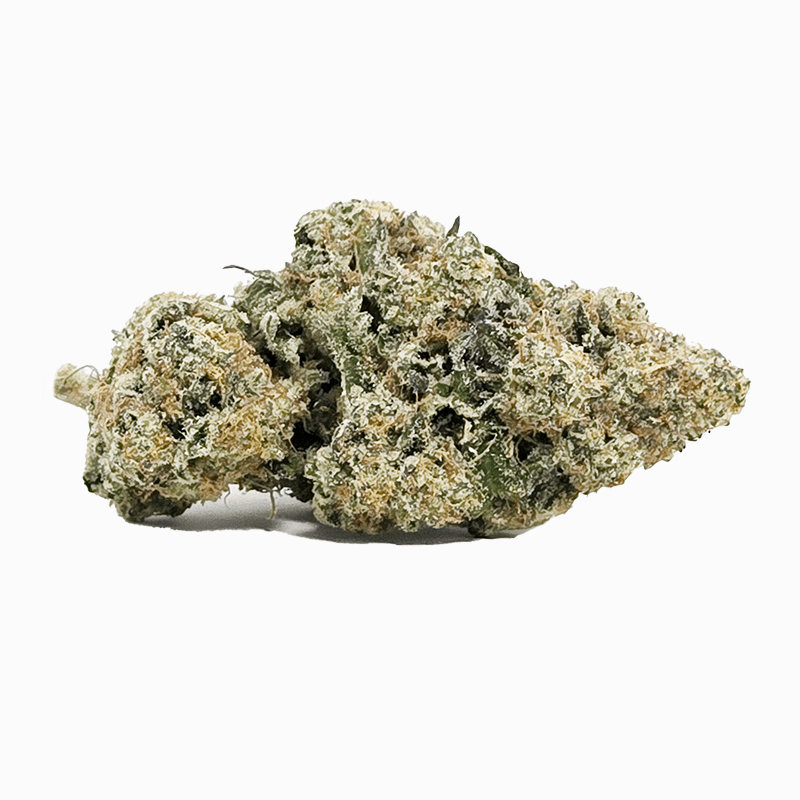
Alaskan Thunder Fuck not only sounds intense but also has an intense effect. The THC content of this marijuana can be as high as 23%, although the minimum is as mild as 16%. It’s mostly a Sativa variety that originates from Alaska. The taste is a unique fruity blend with some spiciness.
Flavors: Citrus, Grape, Pine, Sweet, Spicy
Effects: Energizing, Euphoria, Arousal, Happy, Uplifting
Medical: Chronic Pain, Depression, Fatigue, Headaches, Insomnia, Migraines, Nausea, PTSD, Stress,
Potency: 16-23% THC Content
Catch your personal supply of this product right now by ordering its delivery from our online dispensary. Ours is one of the best weed stores in GERMANY.
Alaskan Thunder Fuck AAA Cannabis Cultivar: Genetics, Plant Biology, Phytochemistry, and Scientific Overview
Meta Title
Alaskan Thunder Fuck AAA Cannabis Cultivar | Genetics, Botany, and Scientific Research
Meta Description
Explore the Alaskan Thunder Fuck cannabis cultivar from an educational perspective. Learn about cannabis genetics, plant morphology, phytochemistry, laboratory analysis, and current botanical research.
Introduction
Alaskan Thunder Fuck is a named cannabis cultivar that illustrates the diversity achieved through selective breeding within the Cannabis genus. Cultivars are developed by breeders to express particular botanical and agricultural characteristics, while scientists study them to better understand plant genetics, morphology, phytochemistry, and the influence of environmental conditions on plant development.
Although commercial cultivar names are widely recognized in legal cannabis markets, researchers rely on laboratory analysis, genetic sequencing, and standardized botanical observations to characterize plants objectively. Because naming conventions are not standardized internationally, cultivars with similar names may vary in their genetic background and chemical profile.
1. Lineage and Genetic Background
Alaskan Thunder Fuck (frequently referenced in botanical registries as ATF or Alaskan Thunder) is a historic landrace-derived sativa-dominant hybrid cultivar (typically expressing a 70% sativa / 30% indica ratio):
-
Matanuska Valley Landrace Genetics: Developed originally in the Matanuska Valley region of Alaska, combining native Northern North American outdoor lines with Russian ruderalis genetics to adapt to cold-climate outdoor growing seasons.
-
Northern California Lineage Crosses: Subsequent breeding introduced genetics from Northern California sativa strains, stabilization lines, and Afghan indica selections to enhance floral size, resin production, and cannabinoid synthesis.
Commercial designations such as AAA indicate a standardized market quality grade, denoting strong floral structure, well-preserved trichome coverage, and vibrant terpene retention.
2. Plant Morphology and Growth Characteristics
From a botanical perspective, Alaskan Thunder Fuck AAA displays morphological traits influenced by both its cold-climate adaptation and sativa heritage:
-
Vegetative Structure: Plants display a tall, branching stature with long internodal spacing, strong main stalks, and narrow leaf blade morphology.
-
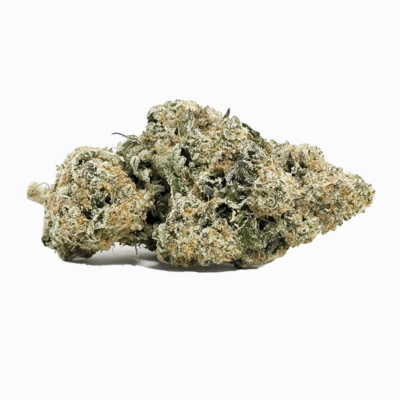
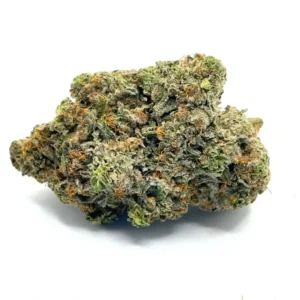
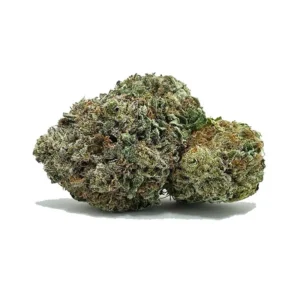
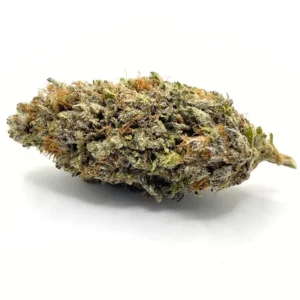
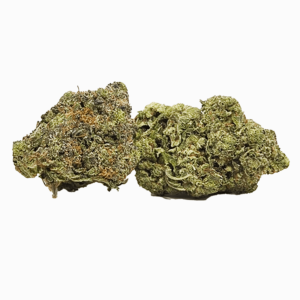
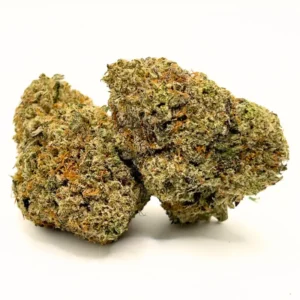
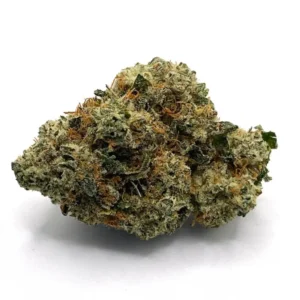
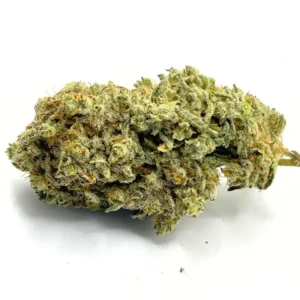
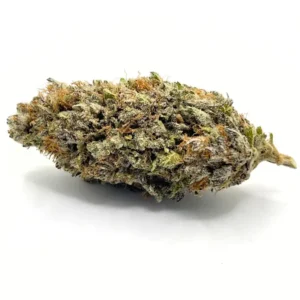
Inflorescence Development: During the flowering phase, female plants produce large, elongated, lanceolate calyx clusters. The dried flowers display bright light-green tones accented by dense, prominent pale-orange to white pistils.
-
Trichome Density: Outer floral bracts feature an abundance of glandular, capitate-stalked trichomes, producing a frosted, resinous layer across the calyx assemblies.
-
Environmental Resilience: Due to its regional development, the cultivar demonstrates natural cold tolerance and resilience against environmental stressors during the late flowering photoperiod.
3. Phytochemistry and Cannabinoid Profile
Chromatographic testing of mature Alaskan Thunder Fuck floral tissue reveals a chemical profile dominated by neutral and acidic phytocannabinoids:
-
Delta-9-Tetrahydrocannabinol (THC): Alaskan Thunder Fuck typically exhibits a total THC concentration ranging from 18% to 23% by dry weight, synthesized primarily as Tetrahydrocannabinolic Acid (THCA) prior to thermal decarboxylation.
-
Minor Cannabinoids: Laboratory analysis routinely measures trace-to-moderate secondary phytocannabinoids, including Cannabigerol (CBG) between 0.4% and 1.1%, Cannabichromene (CBC), and low levels of Cannabidiol (CBD).
4. Terpene Profile and Volatile Organic Compounds
The distinctive, pungent sensory profile of Alaskan Thunder Fuck is driven by a complex mixture of monoterpenes and sesquiterpenes synthesized within its resin glands:
-
Alpha- & Beta-Pinene: Primary monoterpenes contributing a sharp, fresh pine forest, cedar, and crisp herbal aromatic base.
-
Beta-Myrcene: A dominant monoterpene providing earthy, musky, and subtle herbal notes that balance its energetic profile.
-
D-Limonene: Present in secondary proportions, introducing bright citrus, lemon zest, and sweet fruit top notes.
-
Beta-Caryophyllene & Menthol Volatiles: Secondary sesquiterpenes contribute peppery, spicy undertones along with subtle cooling, mentholated nuances characteristic of cold-adapted landrace hybrids.
5. Laboratory Analysis and Standardization
To confirm genetic pedigree, active compound concentrations, and safety standards in regulated markets, standardized analytical methods are applied to Alaskan Thunder Fuck samples:
-
High-Performance Liquid Chromatography (HPLC): Employed to isolate and quantify cannabinoid ratios (THCA, THC, CBGA, CBG, CBDA).
-
Gas Chromatography-Mass Spectrometry (GC-MS): Applied to profile key terpenes, sesquiterpenes, and volatile organic aroma compounds.
-
Commercial Quality Grading: Quality control protocols examine flower density, cure quality, trim precision, and trichome head intactness to confirm its commercial AAA grading classification.
Conclusion
The Alaskan Thunder Fuck AAA cultivar represents an enduring landrace hybrid in cannabis breeding history, showcasing cold-climate adaptation, robust pine-citrus terpene expression, and strong sativa structural traits. Continued study using modern analytical and genetic techniques helps preserve its historic genetic lineage while clarifying its unique phytochemical properties.
| Amount | 7g, 14g, 28g |
|---|
Be the first to review “Alaskan Thunder Fuck AAA”
Related products
High quality weed
High quality weed
High quality weed
High quality weed
High quality weed
High quality weed
High quality weed
High quality weed
Reviews
There are no reviews yet.