

GMO Cookies AAAAA (Craft)
Price range: €100.00 through €270.00
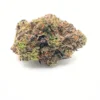
GMO Cookies (also known as Garlic Cookies) is an elite, heavily sought-after indica-dominant hybrid born from crossing Chemdawg with Girl Scout Cookies. Featuring an undeniably loud profile of garlic, fuel, and earthy funk, this premium flower delivers profound somatic relaxation and intense mental relief making it an exceptional selection for deep evening recovery
Buy GMO Cookies Cannabis Flower Online Premium High-Potency Indica
Looking for an elite botanical choice that targets stubborn physical discomfort, sleeplessness, and chronic mental exhaustion? Buy GMO Cookies Cannabis Flower online in Canada from Shrooms Direct. Often referred to by cannabis connoisseurs as “Garlic Cookies,” this world-famous indica-dominant hybrid brings together the heavy-duty power of Chemdawg and the sweet, resinous structural traits of Girl Scout Cookies. The result is a premium, top-shelf flower covered in a spectacular sheet of crystalline trichomes. If your wellness routine demands an absolute powerhouse strain with an unmistakably robust profile to trigger full-body recovery, GMO Cookies stands in a league of its own.
An Elite Lineage of Unmatched Savory Terpene Purity
What makes GMO Cookies a crown jewel on our premium cannabis menu is its complex, borderline-offensive aromatic signature. Grown in small craft batches and subjected to a patient cold-cure, this flower retains its delicate, volatile terpenes perfectly, producing a truly unforgettable sensory experience.
-
Distinct Savory Aroma: A highly pungent blend of crushed garlic, damp earth, rotting onion, and a sharp, chemically fuel-like kick that sticks to the room.
-
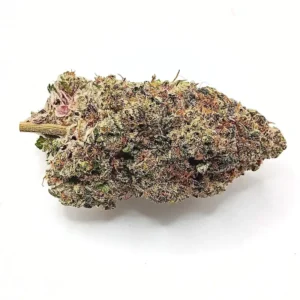
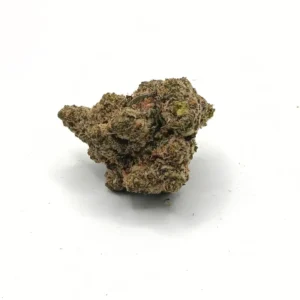
Top-Shelf Bag Appeal: Elongated, dense olive-green buds accented by rich purple undertones and wrapped tightly in bright orange pistils.
-
Connoisseur Standards: Grown under immaculate, pesticide-free conditions to ensure a smooth, expansive smoke that handles your respiratory tract with absolute respect.
GMO Cookies Strain Effects & Somatic Tranquility
Due to its incredible potency profile, GMO Cookies is highly regarded by medical patients and long-time consumers who need fast, long-lasting relief from heavy physical or emotional burdens. It acts as an incredible natural catalyst for late-evening decompression, meditation, or wind-down rituals. Common effects include:
-
Profound Physical Couch-Lock: Radiates a weighted, warming sensation down the spine, effectively easing localized aches, deep muscle tension, and joint stiffness.
-
Cerebral Serenity: Completely slows down a racing mind, subduing daytime stress and anxiety into a state of serene, unbothered stillness.
-
Long-Lasting Insomnia Relief: Highly respected for its deeply somnolent (sleep-inducing) finish, paving a smooth path toward deep, uninterrupted rest.
-
Appetite Regulation: Powerfully addresses nausea and low appetite, encouraging a natural, restorative desire to nourish the body.
Sensory Profile & Key Attributes
-
Strain Classification: Indica-Dominant Hybrid Cannabis Flower
-
Genetics: Chemdawg x Girl Scout Cookies (GSC)
-
Primary Terpenes: Caryophyllene (spicy/anti-inflammatory), Limonene (citrus/mood-lift), Myrcene (earthy/sedative)
-
Flavor Experience: Robust and full-bodied smoke coating the palate with layers of herbal garlic spice, earthy musk, and a classic gassy diesel exhale.
-
Optimal Setting: Best reserved exclusively for late nights, lazy weekends, or right before crawling into bed.
Why Order GMO Cookies Online from Shrooms Direct?
When you buy GMO Cookies Cannabis Flower online in Canada through Shrooms Direct, you are partnering with an established dispensary dedicated to authentic, clean, and reliably sourced plant medicine. We evaluate every single harvest batch for moisture accuracy, terpene retention, and visual cleanliness before it enters our inventory. Your package is double vacuum-sealed, housed in anonymous scent-proof containers, and dispatched with comprehensive tracking details directly to your secure Canadian address
Cannabis Cultivars: Genetics, Taxonomy, Laboratory Analysis, and Consumer Education
Meta Title
Cannabis Cultivars Explained | Genetics, Laboratory Testing & Scientific Research
Meta Description
Learn about cannabis cultivars from an educational perspective. Explore plant genetics, taxonomy, laboratory testing, cannabinoids, terpenes, quality assurance, and current scientific research.
Introduction
Cannabis cultivars are selectively bred varieties of the Cannabis plant that differ in their genetic background, physical characteristics, chemical composition, and agricultural traits. Modern cannabis research combines plant genetics, botany, analytical chemistry, agricultural science, and biotechnology to better understand how different cultivars develop and how environmental conditions influence plant growth.
As legal and scientific interest in cannabis has expanded, researchers have focused on cultivar identification, cannabinoid and terpene analysis, cultivation methods, and laboratory quality standards. Understanding these topics helps readers interpret scientific information and product labels while distinguishing evidence-based research from marketing terminology.
This article is intended for educational purposes and provides a neutral overview of cannabis cultivar science. It does not promote the use or purchase of cannabis products.
What Is a Cannabis Cultivar?
A cultivar is a cultivated plant variety selected for specific characteristics through breeding and propagation. In cannabis, cultivars may differ in:
- Plant structure
- Leaf shape
- Flower appearance
- Growth habits
- Aroma profiles
- Chemical composition
- Harvest characteristics
Cultivar names are often used commercially, but scientific identification increasingly relies on genetic analysis rather than names alone.
Cannabis Taxonomy
Cannabis belongs to the family Cannabaceae.
Scientists continue to study cannabis taxonomy, with discussions involving classifications such as:
- Cannabis sativa
- Cannabis indica
- Cannabis ruderalis
Modern genetic research suggests many commercial cultivars are hybrids with ancestry from multiple breeding lines. As a result, simple labels do not always reflect a plant’s complete genetic background.
Cannabis Genetics
Plant genetics influence many observable characteristics, including:
- Height
- Flower development
- Leaf morphology
- Resistance to environmental stress
- Chemical composition
Breeding programs use selective breeding and genetic evaluation to stabilize desirable traits while maintaining plant health and consistency.
Researchers continue to investigate the genetic markers associated with cannabinoid production, terpene synthesis, flowering time, and disease resistance.
Cannabinoids
Cannabinoids are naturally occurring compounds produced by cannabis plants.
Researchers commonly study compounds including:
- Cannabidiol (CBD)
- Cannabigerol (CBG)
- Cannabinol (CBN)
- Cannabichromene (CBC)
Scientists investigate how these compounds are synthesized by the plant, how they vary between cultivars, and how cultivation practices influence their concentrations.
Terpenes
Terpenes are aromatic compounds found in many plants, including cannabis.
Examples include:
- Myrcene
- Limonene
- Pinene
- Caryophyllene
- Linalool
- Humulene
- Terpinolene
Terpenes contribute to aroma and are widely studied in botany, food science, and plant biochemistry.
Plant Morphology
Researchers examine physical characteristics such as:
- Flower structure
- Leaf arrangement
- Stem development
- Trichome density
- Color variation
- Seed formation
These observations help botanists classify plants and support breeding and cultivation research.
Cultivation Science
Cannabis cultivation research examines factors that influence plant development.
Topics include:
- Soil composition
- Irrigation
- Nutrient management
- Temperature
- Humidity
- Light intensity
- Photoperiod
- Integrated pest management
Environmental conditions can affect plant growth, yield, and chemical composition.
Laboratory Testing
Analytical laboratories use standardized methods to evaluate plant material.
Testing may include:
Cannabinoid Analysis
Techniques such as high-performance liquid chromatography (HPLC) help identify and quantify cannabinoid content.
Terpene Analysis
Gas chromatography (GC) is commonly used to analyze terpene profiles.
Contaminant Screening
Laboratories may screen for:
- Heavy metals
- Pesticide residues
- Residual solvents
- Microbial contaminants
These analyses support quality assurance and regulatory compliance where required.
Quality Assurance
Quality assurance programs may include:
- Batch identification
- Sample traceability
- Moisture testing
- Stability evaluation
- Packaging inspection
- Documentation review
Quality systems help maintain consistency in research and regulated production.
Reading Product Labels
Educational understanding of labels may include recognizing:
- Batch numbers
- Net weight
- Packaging date
- Ingredient information (where applicable)
- Storage recommendations
- Laboratory testing references
- Manufacturer information
Transparent labeling supports informed interpretation of product information.
Scientific Research
Cannabis research spans multiple disciplines:
- Botany
- Genetics
- Agriculture
- Chemistry
- Pharmacology
- Biotechnology
- Public health
Researchers investigate plant biology, cultivation techniques, analytical methods, and regulatory science using controlled scientific methods.
Sustainability
Sustainable cultivation practices may include:
- Efficient water use
- Soil conservation
- Energy-efficient lighting
- Waste reduction
- Responsible nutrient management
These practices are increasingly important in agricultural research.
Consumer Education
Educational resources encourage readers to:
- Review scientific evidence
- Understand laboratory testing
- Read product labels carefully
- Distinguish research findings from marketing claims
- Consult reliable sources for regulatory information
Scientific literacy supports informed evaluation of information about cannabis cultivars.
Frequently Asked Questions
What is a cannabis cultivar?
A cannabis cultivar is a cultivated plant variety selected through breeding for particular genetic and physical characteristics.
Why are cannabinoids and terpenes studied?
They are naturally occurring plant compounds that contribute to the chemistry of cannabis and are the subject of ongoing scientific research.
Why is laboratory testing important?
Testing helps verify plant composition, assess quality, and detect contaminants where applicable.
Why do cultivar names sometimes differ from genetics?
Commercial names do not always correspond to distinct genetic lineages. Modern genetic analysis provides a more accurate method of identifying relationships among cultivars.
Why is consumer education important?
Understanding plant science, laboratory methods, and labeling helps readers interpret information critically and make evidence-based assessments.
Educational SEO Keywords
cannabis cultivars, cannabis genetics, cannabis taxonomy, plant breeding, botanical science, mycology and botany, cannabinoid research, terpene science, analytical chemistry, laboratory testing, quality assurance, plant morphology, agricultural science, biotechnology, cannabis research, cultivar identification, sustainable cultivation, product labeling, evidence-based education, consumer awareness
Conclusion
Cannabis cultivars represent an active area of research that combines genetics, botany, agriculture, chemistry, and biotechnology. Advances in laboratory analysis and plant science continue to improve understanding of cultivar diversity, chemical composition, and cultivation practices.
Educational discussions are most valuable when they emphasize scientific evidence, transparent research methods, laboratory quality standards, and responsible interpretation of findings. As research continues, greater knowledge of cannabis genetics and plant biology will contribute to improved agricultural practices and a deeper understanding of this complex plant.
| Amount | 7g, 14g, 28g |
|---|
Be the first to review “GMO Cookies AAAAA (Craft)”
Related products
Black label weed
Black label weed
Black label weed
Black label weed
Black label weed
Black label weed
Black label weed
Black label weed
Reviews
There are no reviews yet.