Mushroom Supplements and Immune Health: An Educational Overview
Meta Title
Mushroom Supplements and Immune Health | Scientific Research and Consumer Guide
Meta Description
Learn about mushroom supplements and immune health from an educational perspective. Explore functional mushrooms, bioactive compounds, quality testing, scientific research, labeling, and consumer safety.
Mushroom Supplements and Immune Health: An Educational Overview
Introduction
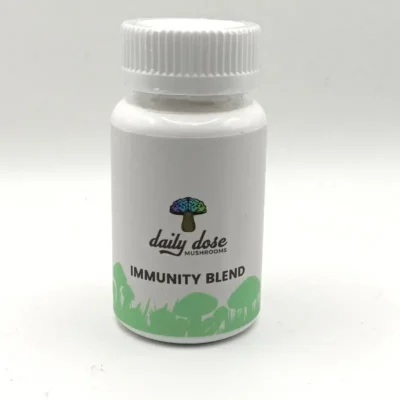
Mushroom-derived dietary supplements have become increasingly popular in nutrition and wellness discussions. Many products marketed for immune support contain extracts from edible fungi such as reishi, turkey tail, shiitake, maitake, and lion’s mane. These mushrooms are valued for naturally occurring compounds including beta-glucans, polysaccharides, sterols, and antioxidants, which continue to be investigated in laboratory and clinical research.
It is important to recognize that mushroom supplements vary considerably in their ingredients, manufacturing methods, extraction processes, and quality standards. Product names and marketing claims alone do not indicate effectiveness or quality.
This article is intended solely for educational purposes. It summarizes current scientific knowledge about functional mushroom supplements, ingredient labeling, quality assurance, and consumer awareness. It is not medical advice and does not endorse any specific brand or product.
Functional Mushrooms Commonly Studied
Several edible mushroom species are frequently investigated for their nutritional composition and bioactive compounds.
Reishi (Ganoderma lucidum)
Reishi has a long history in traditional practices and contains triterpenes, beta-glucans, and polysaccharides that are studied in food science and immunology.
Turkey Tail (Trametes versicolor)
Turkey tail contains complex polysaccharides and has been widely researched for its unique chemical composition.
Shiitake (Lentinula edodes)
Shiitake is both a culinary mushroom and a source of naturally occurring compounds that contribute to ongoing nutritional research.
Maitake (Grifola frondosa)
Maitake contains beta-glucans and other naturally occurring molecules that continue to be investigated in laboratory studies.
Lion’s Mane (Hericium erinaceus)
Lion’s mane is primarily studied for its unique compounds and overall nutritional profile rather than immune-related effects alone.
Bioactive Compounds
Scientists study mushrooms because they naturally produce a diverse range of compounds, including:
- Beta-glucans
- Polysaccharides
- Ergothioneine
- Phenolic compounds
- Terpenoids
- Sterols
- Vitamins
- Minerals
The concentration of these compounds varies depending on mushroom species, cultivation methods, genetics, harvesting time, and processing.
Scientific Research
Research into functional mushrooms continues in several scientific fields, including:
- Mycology
- Nutrition
- Food science
- Natural products chemistry
- Biotechnology
- Immunology
- Analytical chemistry
While laboratory and early clinical studies are promising in some areas, evidence for many health claims remains limited or mixed. More high-quality human research is needed before firm conclusions can be drawn.
Quality Assurance
Consumers evaluating mushroom supplements should consider whether manufacturers provide:
- Complete ingredient lists
- Serving size information
- Batch numbers
- Manufacturing details
- Third-party laboratory testing
- Storage recommendations
Independent laboratory testing can help verify ingredient identity and screen for contaminants.
Consumer Safety
General supplement safety recommendations include:
- Read product labels carefully.
- Follow storage instructions.
- Review allergen information.
- Purchase products from reputable manufacturers.
- Discuss supplement use with a healthcare professional if you have medical conditions or take prescription medications.
Regulation
Mushroom supplements are regulated differently across countries. Depending on the jurisdiction, products may be classified as foods, dietary supplements, or other regulated categories. Consumers and manufacturers should follow the laws that apply where they live or operate.
Frequently Asked Questions
Do all mushroom supplements contain the same ingredients?
No. Formulations vary widely among manufacturers, and products with similar names may contain different mushroom species or additional ingredients.
Why is third-party testing important?
Independent testing helps confirm ingredient identity, evaluate purity, and improve transparency regarding product quality.
Can mushroom supplements replace a balanced diet?
No. Dietary supplements are generally intended to complement, not replace, a varied and balanced diet or appropriate medical care.
Conclusion
Functional mushroom supplements are an active area of scientific interest because of their diverse naturally occurring compounds and nutritional characteristics. Understanding ingredient labels, quality assurance practices, and the current state of research helps consumers evaluate products more critically.
Educational discussions should emphasize evidence-based information, transparency, and responsible consumer awareness rather than relying on marketing claims. Continued research will further improve understanding of mushroom biology, nutrition, and food science.
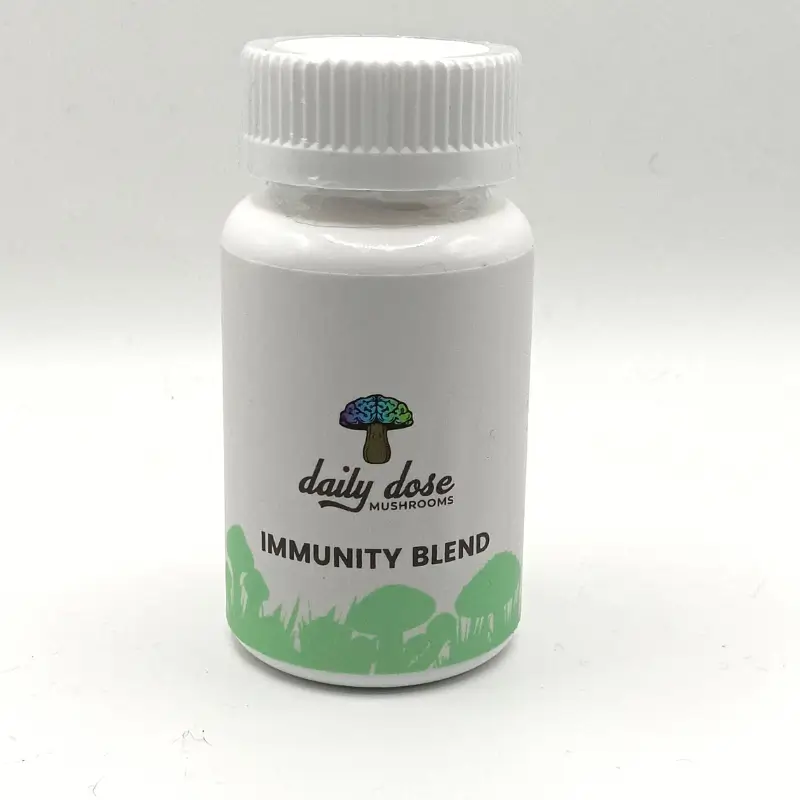
Be the first to review “Daily Dose Mushrooms Microdose – Immunity Blend”
Related products
mushroom capsules
mushroom capsules
mushroom capsules
mushroom capsules
mushroom capsules
mushroom capsules
mushroom capsules
mushroom capsules
2 reviews for Daily Dose Mushrooms Microdose – Immunity Blend
There are no reviews yet.