
Ghost Bubba AAAA Cannabis Cultivar: Genetics, Plant Biology, Phytochemistry, and Scientific Overview
Meta Title
Ghost Bubba AAAA Cannabis Cultivar | Genetics, Botany, and Scientific Research
Meta Description
Explore the Ghost Bubba cannabis cultivar from an educational perspective. Learn about cannabis genetics, plant morphology, phytochemistry, laboratory analysis, and current botanical research.
Introduction
Ghost Bubba is a named cannabis cultivar that illustrates the diversity achieved through selective breeding within the Cannabis genus. Cultivars are developed by breeders to express particular botanical and agricultural characteristics, while scientists study them to better understand plant genetics, morphology, phytochemistry, and the influence of environmental conditions on plant development.
Although commercial cultivar names are widely recognized in legal cannabis markets, researchers rely on laboratory analysis, genetic sequencing, and standardized botanical observations to characterize plants objectively. Because naming conventions are not standardized internationally, cultivars with similar names may vary in their genetic background and chemical profile.
1. Lineage and Genetic Background
Ghost Bubba (frequently referenced in commercial registries as Ghost Bubba Kush) is documented in botanical records as a heavily indica-dominant hybrid cultivar (typically expressing an 80% indica / 20% sativa ratio):
-
Bubba Kush: An iconic indica-dominant cultivar (Afghani × OG Kush) celebrated for its dense, broad-leaf architecture, thick resin output, and distinct hashish-coffee volatile profile.
-
Ghost OG: A prized cut of OG Kush recognized for its pungent fuel-citrus aromatics, strong hybrid vigor, and high concentration of capitate-stalked trichomes.
By crossing these two staple lines, Ghost Bubba stabilizes a robust Kush-dominant morphology while expressing a complex volatile profile that bridges earthy hashish with sharp diesel and citrus notes.
Commercial designations such as AAAA represent a top-tier market quality grade, denoting exceptional floral density, flawless trichome preservation, meticulous hand-trimming, and potent terpene profiles.
2. Plant Morphology and Growth Characteristics
From a botanical perspective, Ghost Bubba AAAA displays structural features characteristic of broad-leaf, indica-dominant lineages:
-
Vegetative Structure: Plants typically exhibit a compact, stout stature with thick central stalks, broad dark-green foliage, and short internodal spacing.
-
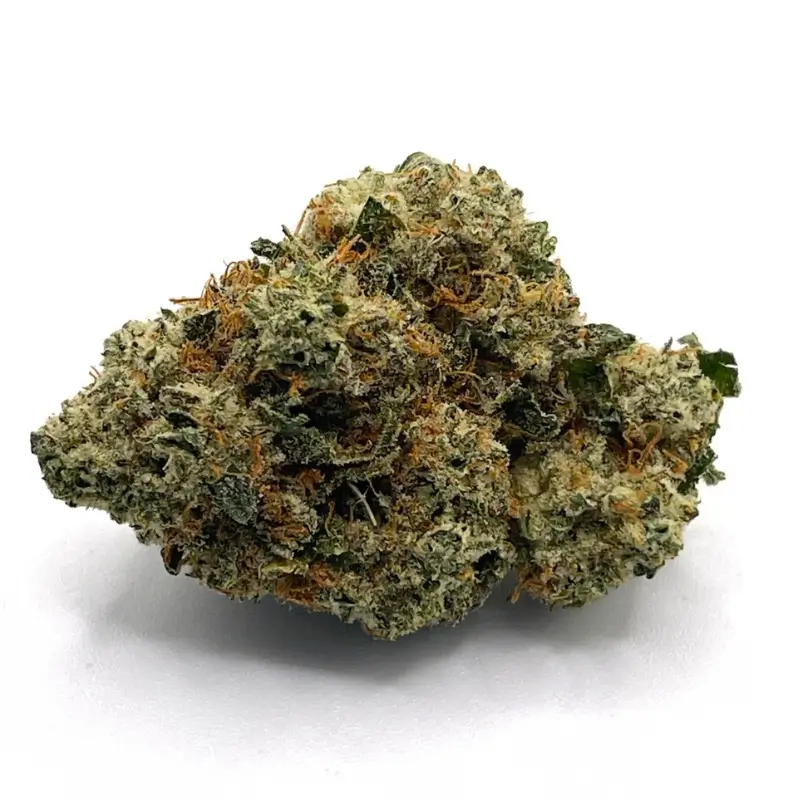
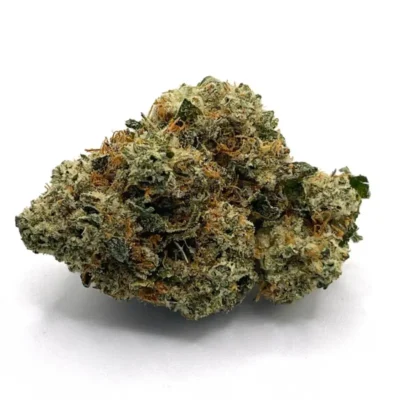
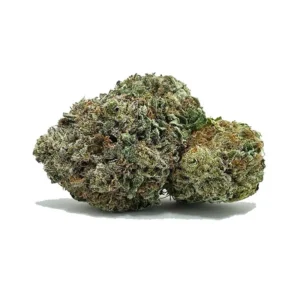
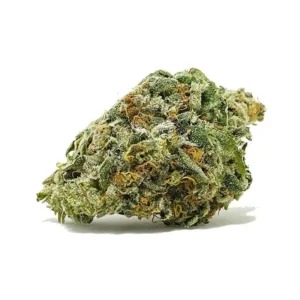
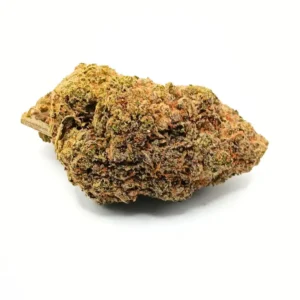
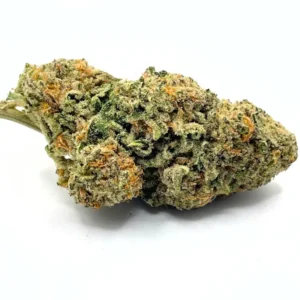
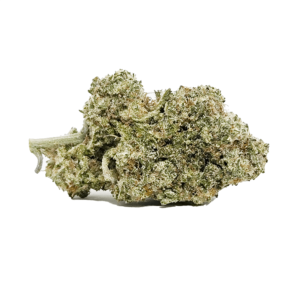
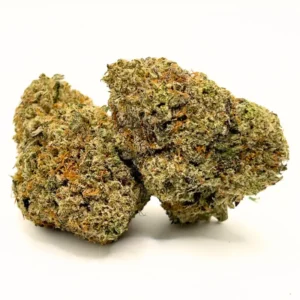
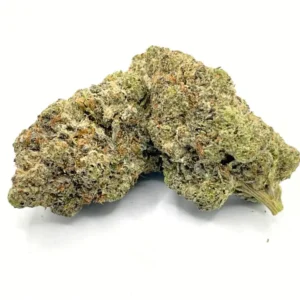
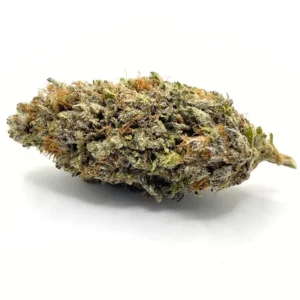
Inflorescence Development: During the flowering phase, female plants produce dense, tightly packed, spherical calyx assemblies with a high flower-to-leaf ratio. The dried flowers feature deep forest-green foliage intermingled with dark purple accents and prominent orange pistils.
-
Trichome Density: The outer epidermal surfaces of the floral bracts and surrounding leaves exhibit a heavy blanket of glandular, capitate-stalked trichomes, giving the buds a heavily frosted, pale white visual appearance.
-
Anthocyanin Expression: Late-stage photoperiod cooling triggers anthocyanin biosynthesis within the calyx cells, resulting in subtle purple-to-violet pigmentation across mature floral tissues.
3. Phytochemistry and Cannabinoid Profile
Chromatographic evaluation of mature Ghost Bubba floral material reveals a chemical profile dominated by acidic and neutral phytocannabinoids:
-
Delta-9-Tetrahydrocannabinol (THC): Ghost Bubba typically exhibits a total THC concentration ranging from 18% to 25% by dry weight, synthesized primarily as Tetrahydrocannabinolic Acid (THCA) prior to thermal decarboxylation.
-
Minor Cannabinoids: Laboratory evaluations routinely detect trace secondary phytocannabinoids, including Cannabigerol (CBG) between 0.4% and 1.2%, Cannabichromene (CBC), and low levels of Cannabidiol (CBD).
4. Terpene Profile and Volatile Organic Compounds
The complex sensory profile of Ghost Bubba is governed by a synergistic mixture of monoterpenes and sesquiterpenes localized within its abundant resin glands:
-
Beta-Caryophyllene: A primary sesquiterpene contributing peppery, warm spicy, and woody base notes, scientifically notable for its capacity to act as a selective agonist at peripheral CB2 receptors.
-
Beta-Myrcene: A dominant monoterpene providing earthy, musky, and herbal background aromas that support deep physical relaxation.
-
D-Limonene: Present in secondary proportions, introducing sharp citrus, pine resin, and diesel top notes derived from its Ghost OG heritage.
-
Secondary Volatiles: Trace amounts of Humulene and Linalool contribute subtle notes of roasted coffee, sweet hashish, and soft floral undertones.
5. Laboratory Analysis and Standardization
To verify strain identity, active compound concentrations, and quality standards in commercial markets, standardized analytical methods are applied to Ghost Bubba samples:
-
High-Performance Liquid Chromatography (HPLC): Used to isolate and precisely quantify cannabinoid ratios (THCA, THC, CBGA, CBG, CBDA).
-
Gas Chromatography-Mass Spectrometry (GC-MS): Employed to map the precise terpene and volatile organic compound profile responsible for its pungent diesel-hash aroma.
-
Commercial Quality Grading: Quality assurance protocols evaluate moisture content, flower density, trim precision, and trichome intactness to confirm its commercial AAAA grading classification.
Conclusion
The Ghost Bubba AAAA cultivar represents an exceptional hybrid cross within the Kush family, merging the dense structural framework and hashish aromatics of Bubba Kush with the potent diesel-citrus profile of Ghost OG. Continued research using standardized analytical techniques helps clarify how its genetic lineage and cultivation parameters interact to dictate its final phytochemical output.
| Amount | 7g, 14g, 28g |
|---|
Be the first to review “Ghost Bubba AAAA”
Related products
High quality weed
High quality weed
High quality weed
High quality weed
High quality weed
High quality weed
High quality weed
High quality weed
Reviews
There are no reviews yet.