Mushroom Gummies: An Educational Guide to Ingredients, Manufacturing, Safety, and Scientific Research
Meta Title
Mushroom Gummies: Ingredients, Food Science, Safety, and Research
Meta Description
Learn about mushroom gummies from an educational perspective. Explore ingredients, manufacturing, food science, quality testing, safety, labeling, and current scientific research.
Introduction
Mushroom gummies are chewable products that combine mushroom-derived ingredients with a gummy confectionery base. Depending on the formulation, they may contain non-psychoactive functional mushroom extracts or other mushroom-derived compounds. Because products vary widely in ingredients, manufacturing methods, and regulatory status, it is important to evaluate them based on transparent labeling and scientific evidence rather than marketing claims.
This article provides an educational overview of mushroom gummies, including how they are manufactured, how they are labeled, what quality testing involves, and the current state of scientific research. It does not endorse or promote any specific brand or product.
What Are Mushroom Gummies?
Mushroom gummies are edible products made by combining a gummy base with mushroom-derived ingredients. Depending on the formulation and jurisdiction, these products may contain extracts from edible functional mushrooms such as lion’s mane, reishi, chaga, cordyceps, turkey tail, or shiitake, while other products may contain different mushroom-derived compounds with different legal and safety considerations.
Typical gummy ingredients include:
- Pectin or gelatin
- Sweeteners
- Fruit flavors
- Natural colors
- Acids such as citric acid
- Mushroom powders or extracts
Functional Mushrooms Commonly Used
Researchers have investigated several edible mushroom species because of their nutritional composition and naturally occurring compounds.
Examples include:
- Lion’s Mane (Hericium erinaceus)
- Reishi (Ganoderma lucidum)
- Turkey Tail (Trametes versicolor)
- Shiitake (Lentinula edodes)
- Maitake (Grifola frondosa)
- Chaga (Inonotus obliquus)
- Cordyceps (Cordyceps militaris)
Each species contains a different profile of naturally occurring compounds and continues to be studied in nutrition, food science, and mycology.
Manufacturing Process
Gummy production generally involves:
- Preparing mushroom extracts or powders
- Mixing ingredients
- Heating and dissolving the gummy base
- Adding flavor and color
- Depositing into molds
- Cooling and setting
- Packaging
- Batch quality inspection
Manufacturing controls help improve consistency in texture, flavor, and ingredient distribution.
Mushroom Chemistry
Scientists study mushrooms because they naturally contain compounds including:
- Beta-glucans
- Polysaccharides
- Ergothioneine
- Phenolic compounds
- Sterols
- Amino acids
- Vitamins
- Minerals
The concentration of these compounds depends on species, cultivation methods, genetics, harvest timing, and processing.
Quality Assurance
Manufacturers may use quality assurance procedures such as:
- Ingredient verification
- Microbial testing
- Heavy metal screening
- Moisture analysis
- Stability testing
- Batch consistency evaluation
Independent laboratory testing can improve transparency by confirming ingredient identity and checking for contaminants.
Reading Product Labels
Consumers should understand key information commonly found on labels, including:
- Ingredient list
- Serving size
- Nutrition information
- Storage instructions
- Manufacturer information
- Batch or lot number
- Expiration date
- Allergen statements
Reading labels carefully supports informed decision-making.
Food Safety
General food safety practices include:
- Store products according to label directions.
- Check expiration dates.
- Review allergen information.
- Keep specialty edible products away from children and pets.
- Purchase products from manufacturers that provide transparent ingredient and testing information.
Scientific Research
Research on mushroom-derived ingredients spans several disciplines:
- Mycology
- Food science
- Nutrition
- Analytical chemistry
- Biotechnology
- Neuroscience
Many functional mushrooms are being investigated for their nutritional properties and bioactive compounds. However, evidence varies by species, formulation, and health outcome, and more well-designed human studies are needed in many areas.
Consumer Awareness
Consumers should evaluate products by considering:
- Ingredient transparency
- Manufacturing practices
- Independent testing
- Scientific evidence
- Compliance with applicable regulations
Educational resources encourage distinguishing between peer-reviewed evidence and marketing language.
Frequently Asked Questions
Are all mushroom gummies the same?
No. Products differ in ingredients, manufacturing methods, extraction processes, and intended uses.
Why is third-party laboratory testing important?
Independent testing can help verify ingredient identity, evaluate purity, and improve product transparency.
What scientific fields study mushrooms?
Researchers in mycology, food science, nutrition, analytical chemistry, and biotechnology investigate mushroom biology and mushroom-derived compounds.
Why should consumers read labels carefully?
Labels provide information about ingredients, serving sizes, storage recommendations, allergens, and manufacturer details.
Educational SEO Keywords
mushroom gummies, functional mushrooms, mushroom extracts, mushroom science, mycology, edible mushrooms, food science, mushroom ingredients, gummy manufacturing, beta-glucans, ergothioneine, quality assurance, laboratory testing, product labeling, ingredient transparency, food safety, nutritional science, analytical chemistry, fungal biology, consumer education
Conclusion
Mushroom gummies are a diverse category of edible products that combine food science with mushroom-derived ingredients. Understanding manufacturing methods, ingredient labeling, quality assurance, and the current state of scientific research helps consumers interpret product information more critically. Educational discussions should emphasize evidence-based information, transparent labeling, laboratory testing, and consumer awareness rather than relying on promotional claims.
| flavours | Orange, Grape, Strawberry, Green Apple, Mango, Grapefruit, Lime, Cherry, Lemon, Blue Raspberry |
|---|
Be the first to review “Dames Mushroom Gummies”
Related products
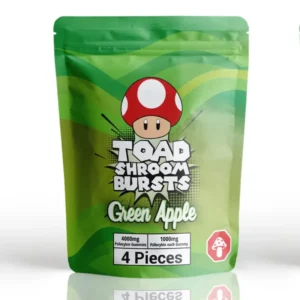
Mushroom Candis
5 reviews for Dames Mushroom Gummies
There are no reviews yet.