Uncategorized
CANNABIS EDUCATIONAL GUIDE
Oct
Cannabis: A Complete Educational Guide to the Plant, Cannabinoids, Terpenes, and Research
Despite its popularity, cannabis remains a complicated subject. The plant contains hundreds of naturally occurring chemical compounds, and different varieties can have significantly different chemical profiles. Cannabinoids such as THC and CBD have received considerable scientific attention, while terpenes and other plant compounds are also being investigated.
This educational guide explains what cannabis is, how its major compounds work, what researchers currently understand about the plant, potential risks, and why cannabis science continues to develop.
What Is Cannabis?
Cannabis is a flowering plant belonging to the Cannabaceae family. It has been cultivated and utilized by humans for thousands of years for purposes ranging from fiber production to traditional preparations and scientific research.
Cannabis plants contain numerous chemical constituents. The most widely studied are cannabinoids, a group of compounds that interact with biological systems in humans and other animals.
Cannabis terminology can sometimes be confusing because botanical classifications, breeding terminology, and commercial naming conventions do not always use the same system.
Cannabis varieties may be described using terms such as:
- Sativa
- Indica
- Ruderalis
- Hybrid
- Cultivar
- Strain
Modern cannabis breeding has produced an enormous diversity of cultivars with different physical characteristics and chemical profiles.
The Main Cannabinoids
Cannabinoids are among the most important compounds found in cannabis. Scientists have identified more than 100 cannabinoids, although only a subset has been extensively researched.
THC
Delta-9-tetrahydrocannabinol, commonly known as THC, is the cannabinoid primarily responsible for the intoxicating effects associated with cannabis.
THC interacts with cannabinoid receptors in the body’s endocannabinoid system, particularly CB1 receptors in the central nervous system.
Research into THC has examined its effects on:
- Perception
- Memory
- Coordination
- Appetite
- Mood
- Pain perception
- Cognitive function
The effects of THC can vary considerably depending on the individual, product composition, route of administration, and other factors.
CBD
Cannabidiol (CBD) is another major cannabinoid. Unlike THC, CBD is not generally associated with the same intoxicating effects.
CBD has attracted considerable research interest because of its interactions with several biological signaling systems.
Scientists are studying CBD in relation to areas including:
- Neurological conditions
- Inflammation
- Anxiety-related processes
- Pain
- Sleep
- Epilepsy
Research findings vary by condition and formulation, and not every proposed application has been established through high-quality clinical evidence.
Other Cannabinoids
Other cannabinoids under scientific investigation include:
- CBG
- CBN
- CBC
- THCV
- CBDA
- THCA
Some cannabinoids occur in relatively small concentrations in cannabis plants, while others may become more abundant depending on genetics and plant maturity.
Understanding the Endocannabinoid System
One reason cannabis has attracted scientific attention is its relationship with the endocannabinoid system (ECS).
The ECS is a biological signaling network found throughout the human body. It includes cannabinoid receptors, naturally produced endocannabinoids, and enzymes involved in producing and breaking down these molecules.
The two primary cannabinoid receptors are:
- CB1 receptors
- CB2 receptors
CB1 receptors are particularly abundant in the nervous system, while CB2 receptors are strongly associated with immune-system functions.
Researchers believe the endocannabinoid system plays roles in several physiological processes, including:
- Mood
- Appetite
- Sleep
- Memory
- Pain signaling
- Immune activity
Understanding this system has helped scientists investigate why cannabis compounds can produce such diverse biological effects.
Cannabis and Terpenes
Cannabinoids are not the only important chemical compounds found in cannabis.
Terpenes are aromatic molecules produced by many plants. In cannabis, they contribute significantly to the aroma and flavor associated with different cultivars.
Common cannabis terpenes include:
Myrcene
Myrcene is found in cannabis and many other plants. It is often associated with earthy, herbal, and musky aromas.
Limonene
Limonene is commonly associated with citrus aromas and is also found naturally in citrus fruits.
Pinene
Pinene has a characteristic pine-like aroma and occurs in numerous plant species.
Linalool
Linalool has floral characteristics and is naturally present in plants such as lavender.
Beta-Caryophyllene
Beta-caryophyllene is known for its spicy and peppery aroma. It is particularly interesting to researchers because of its interaction with cannabinoid receptors.
Terpene composition can vary substantially between cannabis cultivars.
Cannabis Cultivars and Chemical Profiles
Cannabis cultivars can differ in cannabinoid and terpene composition.
Two plants with similar names may have significantly different chemical profiles depending on genetics, cultivation conditions, harvesting, processing, and storage.
For this reason, researchers increasingly emphasize chemical composition rather than relying exclusively on traditional labels such as “indica” or “sativa.”
Laboratory testing can provide information about:
- THC concentration
- CBD concentration
- Minor cannabinoids
- Terpene composition
- Contaminants
- Residual solvents
- Microbial contamination
Analytical testing is therefore an important part of cannabis science and quality assessment.
How Cannabis Is Processed
Cannabis can be processed into numerous forms.
Traditional plant material may be dried and prepared for different uses, while modern processing techniques can separate or concentrate particular plant compounds.
Examples of cannabis-derived products include:
- Dried flower
- Oils
- Tinctures
- Capsules
- Topical preparations
- Extracts
- Concentrates
- Edible formulations
Different preparation methods can change how cannabinoids are absorbed and how long their effects may last.
Cannabis Research and Medicine
Scientific research into cannabis has increased substantially in recent years.
Researchers have investigated cannabis and cannabinoids in connection with several medical conditions and symptoms.
One established area of research involves certain forms of epilepsy. Specific purified cannabinoid preparations have been studied in clinical settings, and some cannabinoid-based medicines have received regulatory approval for particular medical indications.
Research has also examined cannabinoids in relation to:
- Chronic pain
- Chemotherapy-associated nausea
- Appetite loss
- Multiple sclerosis symptoms
- Sleep
- Neurological conditions
- Inflammatory processes
However, evidence is not equally strong for every proposed application.
A responsible understanding of cannabis science requires distinguishing between promising preliminary research and treatments supported by strong clinical evidence.
Potential Risks of Cannabis
Cannabis can produce unwanted effects, and risks vary depending on the individual and circumstances.
Short-term effects may include:
- Impaired coordination
- Slower reaction time
- Changes in perception
- Memory impairment
- Drowsiness
- Increased heart rate
- Anxiety
- Confusion
Some individuals may experience uncomfortable psychological reactions, particularly with high exposure to THC.
Regular or heavy use may also be associated with cannabis use disorder in some individuals.
Cannabis and Driving
One important safety concern is impaired driving.
THC can affect reaction time, attention, coordination, and judgment. Driving or operating machinery while impaired can put the individual and others at risk.
For this reason, cannabis and driving should be treated as separate activities.
Cannabis and Mental Health
The relationship between cannabis and mental health is complex.
Some people report temporary changes in mood or relaxation, while others may experience anxiety, paranoia, or confusion.
Research has also investigated associations between frequent cannabis use and certain psychiatric outcomes. The relationship can depend on factors such as age, frequency of use, THC exposure, personal vulnerability, and pre-existing conditions.
Because the science is complex, broad claims that cannabis is universally beneficial or universally harmful are not supported by the evidence.
Cannabis and Adolescents
The developing brain is another important area of cannabis research.
Adolescence and young adulthood are periods of significant neurological development. Researchers are investigating whether frequent cannabis exposure during these stages may affect cognition, learning, motivation, or mental health.
Young people may also be more vulnerable to developing problematic patterns of substance use.
Public-health organizations therefore generally emphasize preventing underage cannabis use.
Cannabis and Pregnancy
Cannabis use during pregnancy is another important health consideration.
Because cannabinoids can cross biological barriers and the developing fetus is particularly vulnerable to environmental exposures, medical organizations generally recommend discussing cannabis use with a healthcare professional during pregnancy.
Anyone who is pregnant, planning pregnancy, or breastfeeding should seek individualized medical advice rather than relying on general internet information.
Cannabis Legal Status
Cannabis laws differ significantly throughout the world.
Some jurisdictions permit medical cannabis under specific conditions. Others allow regulated adult use, while some jurisdictions prohibit cannabis possession and use entirely.
Legal frameworks may regulate:
- Possession
- Cultivation
- Processing
- Distribution
- Medical use
- Adult use
- THC concentration
- Advertising
- Transportation
Because laws can change, anyone researching cannabis should consult current regulations applicable to their jurisdiction.
Cannabis and Responsible Education
One of the biggest challenges surrounding cannabis information is the difference between scientific evidence and marketing claims.
Educational cannabis content should distinguish between:
Established evidence: Findings supported by strong scientific evidence.
Preliminary evidence: Early research that requires additional investigation.
Anecdotal reports: Individual experiences that cannot establish medical effectiveness.
This distinction is especially important when discussing health-related cannabis claims.
The Future of Cannabis Research
Cannabis science is continuing to evolve.
Future research may provide better understanding of:
- Individual cannabinoids
- Minor cannabinoids
- Terpene biology
- Drug interactions
- Personalized medicine
- Long-term health outcomes
- Cannabis genetics
- Endocannabinoid signaling
- New cannabinoid-based medicines
Improved laboratory testing may also help researchers move away from broad product categories toward more precise chemical descriptions.
The future of cannabis research will likely involve collaboration between pharmacologists, physicians, neuroscientists, botanists, geneticists, and public-health researchers.
Frequently Asked Questions
What is cannabis?
Cannabis is a flowering plant that naturally produces cannabinoids, terpenes, flavonoids, and other chemical compounds.
What is THC?
THC is a cannabinoid responsible for most of the intoxicating effects associated with cannabis.
What is CBD?
CBD is a major cannabinoid that does not typically produce the same intoxicating effects as THC.
What are terpenes?
Terpenes are aromatic plant compounds that contribute to the distinctive smells and flavors of cannabis cultivars.
What is the endocannabinoid system?
The endocannabinoid system is a biological signaling network involved in processes such as mood, appetite, sleep, memory, pain signaling, and immune activity.
Is cannabis medically useful?
Certain cannabis-derived and cannabinoid-based medicines have established medical applications, while many other proposed uses remain under investigation.
Can cannabis cause side effects?
Yes. Possible effects include impaired coordination, changes in perception, drowsiness, anxiety, confusion, and memory impairment.
Does cannabis affect driving?
Yes. THC can impair reaction time, coordination, attention, and judgment, making driving while impaired unsafe.
Are cannabis laws universal?
No. Cannabis regulations differ considerably between jurisdictions.
Conclusion
Cannabis is a complex plant with thousands of years of human history and an increasingly important role in modern scientific research. Its cannabinoids, terpenes, and other compounds interact with biological systems in ways that researchers are still working to understand.
The growing body of research has produced important discoveries while also highlighting the need for caution. Cannabis should not be described as universally safe or universally harmful. Effects and risks depend on numerous factors, including cannabinoid composition, exposure, individual biology, age, and circumstances.
For anyone interested in cannabis, the most useful approach is to rely on credible scientific information, distinguish established evidence from preliminary findings, understand potential risks, and remain aware of the laws applicable to their location.
Educational Disclaimer
This article is provided for educational and informational purposes only. It does not constitute medical advice and does not encourage the purchase, sale, cultivation, or use of cannabis. Cannabis laws and regulations vary by jurisdiction. Readers should consult qualified healthcare professionals for medical questions and verify applicable local laws.
SEO Keywords
cannabis, cannabis guide, cannabis education, cannabis science, cannabis research, cannabis plant, cannabis history, cannabis biology, cannabinoids, cannabinoid research, THC, delta 9 THC, CBD, cannabidiol, CBG, cannabigerol, CBN, cannabinol, CBC, cannabichromene, THCV, tetrahydrocannabivarin, THCA, CBDA, phytocannabinoids, endocannabinoid system, ECS, CB1 receptors, CB2 receptors, endocannabinoids, cannabis terpenes, myrcene, limonene, pinene, linalool, beta caryophyllene, humulene, terpinolene, ocimene, cannabis chemistry, cannabis pharmacology, cannabis neuroscience, cannabis studies, cannabis clinical research, cannabis medical research, cannabis health research, cannabis effects, cannabis risks, cannabis safety, cannabis and driving, cannabis and mental health, cannabis and pregnancy, cannabis and adolescents, cannabis use disorder, cannabis dependence, cannabis laws, cannabis legal status, medical cannabis research, cannabinoid medicine, cannabis-derived medicines, cannabis compounds, cannabis genetics, cannabis cultivars, cannabis varieties, cannabis taxonomy, cannabis plant anatomy, cannabis flowers, cannabis extracts, cannabis oils, cannabis tinctures, cannabis concentrates, cannabis edibles, cannabis topicals, cannabis processing, cannabis laboratory testing, cannabinoid testing, terpene testing, cannabis quality testing, cannabis contamination, cannabis education blog, cannabis information, cannabis facts, cannabis glossary, cannabis history and science, cannabis research guide, educational cannabis content, evidence-based cannabis information.Different Types of Cannabis: An Educational Guide to Species, Cultivars, Cannabinoids, and Terpenes
Meta Title: Different Types of Cannabis: Complete Educational Guide
Meta Description: Learn about different types of cannabis, including sativa, indica, hybrids, cultivars, cannabinoids, terpenes, and the science behind cannabis varieties.
URL Slug: /different-types-of-cannabis-guide
Introduction
Cannabis is an exceptionally diverse plant with thousands of cultivated varieties developed through generations of breeding and selection. People often describe cannabis using familiar categories such as sativa, indica, and hybrid, but modern cannabis science shows that these labels do not tell the entire story.
Two cannabis plants that share the same general classification can have very different cannabinoid and terpene profiles. Genetics, growing conditions, maturity, processing, and storage can all influence the final chemical composition of a plant.
Understanding different types of cannabis therefore requires looking beyond names and labels. This guide explores traditional cannabis classifications, modern cultivars, cannabinoids, terpenes, and the characteristics that make one cannabis variety different from another.
What Are the Main Types of Cannabis?
Cannabis has historically been divided into several categories. The most familiar are:
- Cannabis sativa
- Cannabis indica
- Cannabis ruderalis
- Hybrid cannabis
These terms are commonly used in commercial and cultural discussions, although botanical classification is more complicated.
Modern researchers often focus more heavily on measurable characteristics such as genetics, cannabinoid concentrations, and terpene profiles.
Cannabis Sativa
Cannabis sativa is traditionally associated with plants that tend to have relatively tall structures, narrow leaflets, and longer flowering periods.
Historically, sativa plants have been associated with warmer regions and longer growing seasons.
Characteristics often associated with traditional sativa varieties include:
- Taller plant structure
- Narrower leaflets
- Longer flowering periods
- Greater adaptation to warm climates
- Diverse terpene profiles
However, modern breeding has produced many cultivars that do not fit neatly into these traditional descriptions.
Cannabis Indica
Cannabis indica is traditionally associated with shorter plants with broader leaflets and comparatively compact growth structures.
Historically, plants classified as indica were associated with regions where environmental conditions favored different growth characteristics.
Commonly described characteristics include:
- Shorter plant structure
- Broader leaflets
- Compact growth
- Shorter flowering periods
- Adaptation to certain cooler or mountainous environments
As with sativa, modern hybridization makes it difficult to classify every contemporary cultivar using appearance alone.
Cannabis Ruderalis
Cannabis ruderalis is another category discussed in botanical literature.
Ruderalis plants are generally smaller and are known for their ability to flower based partly on age rather than relying exclusively on changes in daylight duration.
This characteristic has been important in breeding programs that produce autoflowering cannabis cultivars.
Ruderalis genetics have been incorporated into many modern breeding projects.
Hybrid Cannabis
Hybrid cannabis refers to cultivars developed through breeding plants with different genetic backgrounds.
Modern cannabis breeding has produced an enormous number of hybrids.
A hybrid may combine characteristics associated with different ancestral populations, making simple sativa-versus-indica classifications increasingly difficult.
Hybrid cultivars may differ substantially in:
- Plant structure
- Flowering time
- Cannabinoid profile
- Terpene composition
- Aroma
- Color
- Resin production
Why Cannabis Names Can Be Confusing
Cannabis names are not always standardized.
The same cultivar name may sometimes be used by different breeders or producers for plants with somewhat different genetic backgrounds.
Commercial names may also be influenced by:
- Marketing
- Regional terminology
- Breeding history
- Brand identity
- Consumer preferences
For scientific purposes, laboratory analysis and genetic information can provide more useful information than a name alone.
Cannabis Cultivars
The term cultivar refers to a cultivated plant variety selected for particular characteristics.
Cannabis cultivars may be selected for:
- Cannabinoid concentration
- Terpene composition
- Plant structure
- Flower characteristics
- Growing time
- Environmental adaptation
- Aroma
- Color
- Resin production
Modern breeding has created a huge range of cannabis cultivars.
THC-Dominant Cannabis
Some cultivars are characterized by relatively high levels of THC.
THC is the cannabinoid most strongly associated with cannabis intoxication.
Research into THC has investigated its effects on:
- Memory
- Coordination
- Perception
- Appetite
- Mood
- Pain signaling
- Cognitive function
The effects of THC can vary significantly between individuals.
CBD-Dominant Cannabis
CBD-dominant cannabis contains substantially more cannabidiol relative to THC.
CBD has attracted considerable scientific interest because of its pharmacological properties.
Researchers have investigated CBD in connection with:
- Certain seizure disorders
- Anxiety-related processes
- Inflammation
- Pain
- Neurological conditions
The strength of evidence varies depending on the specific condition and formulation.
Balanced Cannabinoid Profiles
Some cannabis cultivars contain more balanced ratios of THC and CBD.
Rather than focusing on one dominant cannabinoid, researchers can examine how combinations of cannabinoids interact with biological systems.
This area of research is sometimes discussed in relation to the broader concept of the entourage effect, although the extent and clinical significance of this phenomenon remain subjects of scientific debate.
Minor Cannabinoids
Cannabis contains many cannabinoids besides THC and CBD.
Examples include:
CBG
Cannabigerol, or CBG, is sometimes described as a precursor cannabinoid because other cannabinoids can develop from related chemical pathways in the plant.
Researchers are investigating its pharmacological properties.
CBN
Cannabinol, or CBN, is another cannabinoid that has attracted scientific interest.
It can occur as THC-related compounds undergo chemical changes over time.
CBC
Cannabichromene, or CBC, is another naturally occurring cannabinoid being investigated for its biological properties.
THCV
Tetrahydrocannabivarin, or THCV, is structurally related to THC but has distinct pharmacological characteristics.
Research into minor cannabinoids is still developing.
Different Cannabis Types Based on Terpenes
Cannabis varieties can also be categorized according to their dominant terpene profiles.
Terpenes contribute significantly to cannabis aroma and may interact with other plant compounds.
Myrcene-Dominant Profiles
Myrcene is associated with earthy, herbal, and musky aromas.
It occurs naturally in cannabis and many other plants.
Limonene-Dominant Profiles
Limonene is associated with citrus aromas.
It is also found naturally in citrus fruits and various aromatic plants.
Pinene-Dominant Profiles
Pinene produces a characteristic pine-like aroma.
It is widespread throughout nature and occurs in many trees and plants.
Linalool-Dominant Profiles
Linalool is associated with floral aromas and occurs naturally in plants such as lavender.
Caryophyllene-Dominant Profiles
Beta-caryophyllene is known for its peppery and spicy aroma.
It is particularly interesting to researchers because it can interact with CB2 receptors.
Cannabis Varieties by Aroma
Another way people distinguish cannabis cultivars is through aroma.
Cannabis aromas may include:
- Citrus
- Berry
- Tropical fruit
- Pine
- Earth
- Herbs
- Flowers
- Spice
- Diesel-like notes
- Sweet aromas
These characteristics are largely influenced by terpene composition.
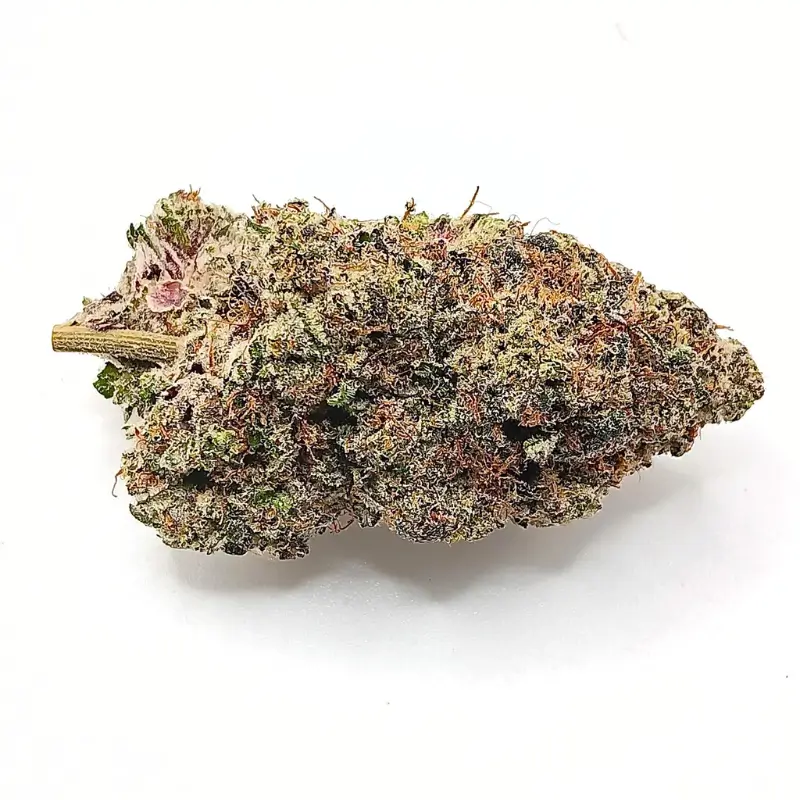
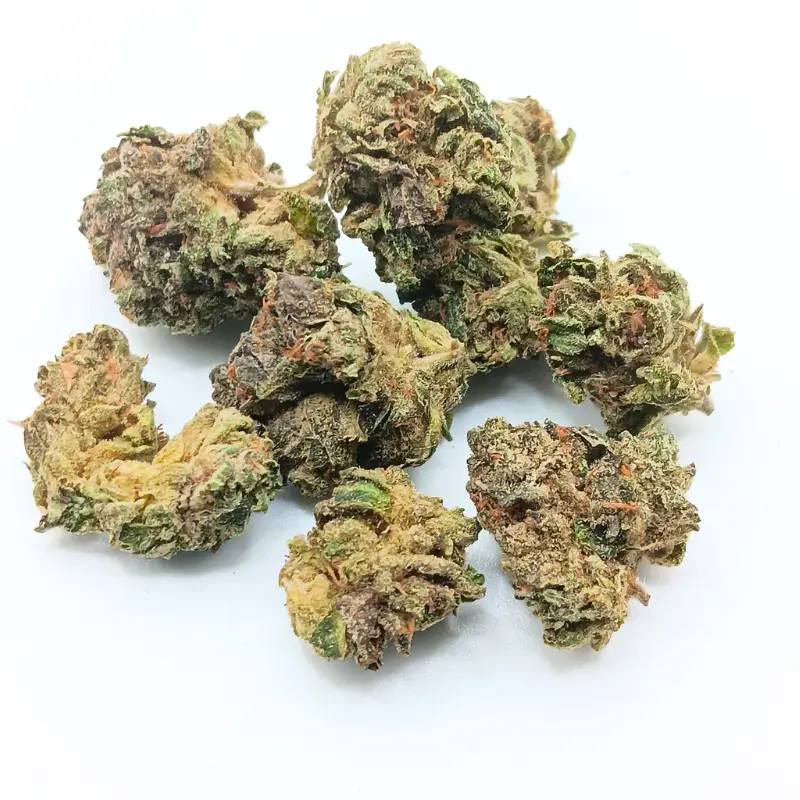
Cannabis Varieties by Appearance
Cannabis flowers can also differ visually.
Characteristics may include:
- Green coloration
- Purple coloration
- Orange or reddish pistils
- Dense flowers
- Looser flower structures
- Heavy resin coverage
- Different trichome appearances
Environmental conditions and genetics can influence coloration and structure.
Cannabis Varieties and Cannabinoid Testing
Laboratory testing provides a more precise way to compare cannabis varieties.
Testing may measure:
- Total THC
- THCA
- Total CBD
- CBDA
- CBG
- CBN
- Other cannabinoids
- Individual terpenes
- Contaminants
Testing can therefore reveal differences that may not be obvious from appearance or cultivar names.
Why Genetics Matter
Genetics are one of the most important factors influencing cannabis characteristics.
A plant’s genetic background can influence:
- Cannabinoid production
- Terpene production
- Plant structure
- Flower development
- Growth cycle
- Environmental tolerance
Selective breeding has allowed growers and researchers to develop plants with increasingly specific characteristics.
Environmental Factors
Genetics are not the only factor involved.
Environmental conditions can influence plant development and chemical production.
Important variables include:
- Temperature
- Humidity
- Light exposure
- Nutrient availability
- Water availability
- Soil or growing medium
- Plant maturity
These factors help explain why plants with similar genetics may not always produce identical results.
Cannabis Classification Is Changing
Traditional classifications such as indica and sativa remain popular, but modern cannabis science increasingly emphasizes measurable chemistry.
A more detailed description may consider:
- Genetic lineage
- Cannabinoid profile
- Terpene profile
- Plant morphology
- Growing environment
- Laboratory testing
This approach provides more meaningful information than relying on a single category.
Frequently Asked Questions
What are the main types of cannabis?
The traditional categories include sativa, indica, ruderalis, and hybrids. Modern cannabis science often focuses more on genetics and chemical profiles.
What is the difference between sativa and indica?
Historically, the terms describe plants with different physical and geographic characteristics. However, modern hybrids make the distinction less reliable as a predictor of chemical composition.
What is a hybrid cannabis cultivar?
A hybrid is a cultivated variety produced by breeding plants with different genetic backgrounds.
What is a cannabis cultivar?
A cultivar is a cultivated plant variety selected for particular characteristics such as genetics, cannabinoid composition, terpene profile, or plant structure.
What are cannabinoids?
Cannabinoids are chemical compounds naturally produced by cannabis. THC and CBD are the most widely studied.
What are terpenes?
Terpenes are aromatic compounds that contribute to the smell and flavor of cannabis and many other plants.
Why do cannabis varieties smell different?
Different cultivars produce different combinations and concentrations of terpenes and other aromatic compounds.
Does appearance determine cannabis chemistry?
No. Appearance alone cannot reliably determine cannabinoid or terpene composition. Laboratory testing provides more accurate information.
Why are cannabis hybrids so common?
Hybridization allows breeders to combine characteristics from different genetic backgrounds and develop new cultivars.
Conclusion
There is no single way to describe the diversity of cannabis. Traditional categories such as sativa, indica, and ruderalis provide historical and botanical context, while modern cultivars demonstrate how extensive selective breeding has become.
Cannabis varieties can differ in genetics, cannabinoids, terpenes, appearance, aroma, and growth characteristics. Scientific laboratory testing provides a more reliable way to understand these differences than relying solely on cultivar names or traditional categories.
As cannabis research continues to develop, a more detailed understanding of plant genetics and chemical profiles will help researchers and consumers better appreciate the complexity of this remarkable plant.
Educational Disclaimer
This article is provided for educational and informational purposes only. It does not constitute medical advice or encourage the purchase, sale, cultivation, or use of cannabis. Cannabis laws vary by jurisdiction. Readers should consult qualified professionals for medical questions and verify the laws applicable to their location.
SEO Keywords
different types of cannabis, types of cannabis, cannabis varieties, cannabis cultivars, cannabis sativa, cannabis indica, cannabis ruderalis, cannabis hybrids, hybrid cannabis, cannabis genetics, cannabis classification, cannabis taxonomy, cannabis strains, cannabis science, cannabis education, cannabis guide, cannabis plant types, sativa cannabis, indica cannabis, ruderalis cannabis, autoflowering cannabis, cannabinoid profiles, THC cannabis, CBD cannabis, CBG cannabis, CBN cannabis, CBC cannabis, THCV cannabis, THCA, CBDA, cannabinoids, minor cannabinoids, major cannabinoids, cannabis terpenes, myrcene, limonene, pinene, linalool, caryophyllene, humulene, terpinolene, ocimene, terpene profiles, cannabis aroma, cannabis flavor, cannabis chemistry, cannabis laboratory testing, cannabinoid testing, terpene testing, cannabis genetics research, cannabis breeding, cannabis plant biology, cannabis morphology, cannabis flower characteristics, cannabis trichomes, cannabis resin, cannabis plant structure, cannabis cultivation science, cannabis research, cannabis pharmacology, cannabis neuroscience, endocannabinoid system, CB1 receptors, CB2 receptors, THC and CBD, CBD and THC, balanced cannabinoids, THC dominant cannabis, CBD dominant cannabis, cannabis chemical profile, cannabis genetic lineage, cannabis botanical classification, cannabis plant science, cannabis educational blog, cannabis information, cannabis facts, cannabis glossary, cannabis research guide, cannabis history, cannabis biodiversity, cannabis genetic diversity, cannabis terpene science, cannabis cannabinoid science, cannabis plant compounds, cannabis natural compounds, cannabis chemistry research.
Cannabis Companies in Europe: An Educational Guide to the European Cannabis Industry
Introduction
Europe has become an important region for the development of the regulated cannabis industry. Unlike markets where cannabis is primarily discussed in terms of recreational retail, much of Europe’s established cannabis sector is connected to medical cannabis, pharmaceutical research, cultivation, manufacturing, distribution, clinical services, and cannabinoid-based medicines.
The European industry includes international companies as well as businesses founded within individual European countries. Some companies focus on cultivation and processing, while others specialize in pharmaceutical manufacturing, distribution, medical clinics, research, or patient education.
Regulations differ significantly between European countries, so companies operating in this sector must comply with national pharmaceutical, medical, agricultural, and controlled-substance regulations.
Understanding the European Cannabis Industry
The European cannabis industry is not one single market. Each country has its own regulatory framework.
Countries such as Germany, the United Kingdom, Portugal, Poland, Denmark, Malta, Italy, and other European markets have developed different approaches to medical cannabis and cannabinoid products.
Companies operating in Europe may therefore specialize in:
- Medical cannabis
- Pharmaceutical cannabinoids
- Cannabis cultivation
- Cannabis genetics
- Extraction
- Laboratory testing
- Clinical services
- Distribution
- Research
- Patient education
- Pharmaceutical manufacturing
This makes the European cannabis industry broader than simply cannabis cultivation or retail.
Curaleaf International
Curaleaf International is one of the major companies associated with Europe’s regulated medical cannabis sector.
The company states that it operates across areas including cultivation, manufacturing, extraction, distribution, prescribing, and patient services. Its European operations have developed through acquisitions and partnerships across several markets.
Curaleaf International’s history includes the former EMMAC Life Sciences business, which was acquired by Curaleaf Holdings and subsequently rebranded for the European market.
The company has developed operations involving medical cannabis supply chains, pharmaceutical manufacturing, clinics, and distribution.
Its European activities demonstrate how the cannabis sector increasingly overlaps with conventional healthcare and pharmaceutical infrastructure.
Aurora Europe
Aurora Medicine Europe is another significant company associated with Europe’s medical cannabis sector.
Aurora Europe is headquartered in Berlin and operates as part of Aurora Cannabis. According to the European Cannabis Association, Aurora Europe supplies pharmaceutical-grade medical cannabis products to patients in European markets and has operated in Germany since 2015.
The company’s European activities include importing, distributing, and supporting medical cannabis products.
Aurora also has European production infrastructure, including its Aurora Nordic facility in Denmark.
This illustrates the importance of EU-GMP manufacturing in the European cannabis market.
Four 20 Pharma
Four 20 Pharma is a German medical cannabis company associated with cultivation, pharmaceutical processing, and distribution.
The company became part of Curaleaf International’s European operations, strengthening Curaleaf’s position in the German medical cannabis market. Curaleaf reported that it completed the acquisition of the remaining stake in Four 20 Pharma in 2026.
Germany is particularly important to the European medical cannabis industry because of its large patient population and evolving prescription framework.
Companies operating in Germany must comply with the country’s pharmaceutical and medical regulations.
European Medicinal Cannabis Association
The European Medicinal Cannabis Association is not a cannabis producer but an industry association representing organizations involved in European medicinal cannabis.
The association describes itself as a not-for-profit organization representing ethical European manufacturers and suppliers of pharmaceutical-grade cannabis products.
Its membership includes organizations involved in:
- Research and development
- Production
- Manufacturing
- Distribution
- Medical cannabis services
Industry associations are important because they provide opportunities for businesses, healthcare professionals, researchers, and policymakers to discuss regulatory and scientific developments.
The Role of Pharmaceutical Companies
One of the most important characteristics of the European cannabis sector is its relationship with the pharmaceutical industry.
Medical cannabis businesses operating in Europe may need to comply with standards covering:
- Manufacturing
- Product quality
- Laboratory testing
- Traceability
- Storage
- Transportation
- Distribution
- Patient safety
EU Good Manufacturing Practice, commonly referred to as EU-GMP, is particularly important for pharmaceutical production.
Companies that manufacture pharmaceutical cannabis products therefore operate under considerably different requirements from informal cannabis markets.
Cannabis Cultivation Companies
Cultivation is another major part of Europe’s cannabis supply chain.
Licensed cultivation businesses may produce cannabis specifically for:
- Medical research
- Pharmaceutical manufacturing
- Prescription medicines
- Clinical trials
- Regulated medical markets
European cultivation facilities may use controlled environments to maintain consistent growing conditions.
Important variables include:
- Temperature
- Humidity
- Lighting
- Genetics
- Irrigation
- Nutrient management
- Pest control
- Harvest timing
Consistency is especially important when cannabis is being produced for pharmaceutical purposes.
Cannabis Extraction Companies
Extraction companies focus on separating cannabinoids and other plant compounds from cannabis material.
Depending on the intended application, extracts may contain compounds such as:
- THC
- CBD
- CBG
- CBN
- Other cannabinoids
- Terpenes
Pharmaceutical extraction requires carefully controlled processes and laboratory testing.
The resulting ingredients may be used in formulations such as oils, capsules, or other pharmaceutical preparations.
Cannabis Testing Laboratories
Laboratory testing is another important part of the European cannabis industry.
Testing laboratories may analyze cannabis products for:
- Cannabinoid concentration
- Terpene composition
- Residual solvents
- Heavy metals
- Pesticides
- Microbial contamination
- Product consistency
Testing helps manufacturers and regulators determine whether products meet established specifications.
As the industry develops, analytical laboratories are becoming increasingly important to quality assurance.
Medical Cannabis Clinics
Some European cannabis companies operate medical clinics or collaborate with healthcare providers.
These services may involve:
- Patient consultations
- Medical assessments
- Prescription services where legally permitted
- Follow-up appointments
- Treatment monitoring
- Patient education
The role of healthcare professionals is particularly important because medical cannabis should be considered within an appropriate clinical context.
Cannabis Research Companies
Research is another growing area of the European cannabis ecosystem.
Researchers are investigating:
- Cannabinoid pharmacology
- Endocannabinoid biology
- Drug interactions
- Neurological conditions
- Pain
- Epilepsy
- Sleep
- Inflammation
- Psychiatric conditions
- New cannabinoid-based medicines
Research companies may work alongside universities, hospitals, pharmaceutical businesses, and government institutions.
Why Germany Is Important
Germany has become one of Europe’s most significant medical cannabis markets.
The country’s changing regulatory environment has encouraged investment in:
- Medical cannabis distribution
- Pharmacies
- Clinics
- Pharmaceutical companies
- Importation
- Patient services
- Research
Companies such as Curaleaf International and Aurora Europe have established significant operations connected to the German market.
Germany’s importance means developments in its cannabis regulations can influence broader European industry discussions.
The United Kingdom Cannabis Industry
The United Kingdom has also developed a regulated medical cannabis sector.
Following regulatory changes, companies have established operations involving:
- Medical cannabis clinics
- Pharmacies
- Pharmaceutical products
- Research
- Patient education
- Distribution
The UK’s pharmaceutical regulatory environment means medical cannabis businesses must navigate specific requirements concerning prescriptions, manufacturing, pharmacy operations, and patient safety.
Portugal and Cannabis Production
Portugal has become an important location for cannabis cultivation and pharmaceutical production.
Its climate and regulatory environment have attracted investment into licensed cultivation and processing infrastructure.
European companies have established production facilities in Portugal to support medical cannabis supply chains.
For example, Curaleaf International states that it has EU-GMP facilities in Portugal supporting its European operations.
Denmark and Cannabis Manufacturing
Denmark is another important European cannabis production location.
The country has developed licensed cultivation and manufacturing infrastructure serving the medical cannabis market.
Aurora’s Aurora Nordic facility in Odense is one example of European medical cannabis production infrastructure. The company describes the facility as an EU-GMP-certified source for its European market.
Poland and Emerging Cannabis Markets
Poland has also become increasingly relevant to the European medical cannabis industry.
The market includes companies involved in:
- Medical cannabis clinics
- Distribution
- Patient services
- Pharmaceutical supply chains
Curaleaf International expanded its Polish presence through acquisitions, including Fitokan, a medical cannabis clinic business.
The development of local healthcare infrastructure demonstrates how the European cannabis sector is increasingly connected with conventional medical services.
Why Regulation Matters
European cannabis companies operate in a highly regulated environment.
Regulation can determine:
- Which products can be manufactured
- Who can prescribe medicines
- Where products can be distributed
- How products must be tested
- Which claims companies can make
- How products must be labeled
- How cannabis can be transported
This regulatory environment distinguishes the European medical cannabis industry from unregulated cannabis markets.
The Future of Cannabis Companies in Europe
The European cannabis sector is likely to continue developing as regulations, scientific evidence, and healthcare systems evolve.
Future growth may involve:
- Pharmaceutical cannabinoid medicines
- Medical cannabis research
- Improved cultivation technology
- Advanced laboratory testing
- New extraction technologies
- Patient education
- Digital healthcare services
- Clinical research
- European pharmaceutical partnerships
Companies that can demonstrate strong regulatory compliance, reliable quality control, scientific evidence, and responsible patient services are likely to play an important role in the industry’s development.
Frequently Asked Questions
What types of cannabis companies operate in Europe?
European cannabis companies operate in areas such as medical cannabis, cultivation, pharmaceutical manufacturing, extraction, laboratory testing, distribution, research, and clinical services.
Is cannabis legal throughout Europe?
No. Cannabis regulations differ considerably between European countries. Medical and adult-use rules are not uniform across the continent.
What is EU-GMP?
EU-GMP means European Union Good Manufacturing Practice. It refers to quality standards used in pharmaceutical manufacturing.
Which European countries have medical cannabis markets?
Several European countries have established medical cannabis frameworks, although their regulations and access requirements differ.
Why is Germany important to cannabis companies?
Germany has developed one of Europe’s most significant medical cannabis markets, making it an important destination for companies involved in regulated cannabis supply chains.
Are European cannabis companies only involved in recreational cannabis?
No. A significant portion of the established European industry is focused on medical cannabis, pharmaceuticals, research, cultivation, manufacturing, and healthcare services.
Conclusion
The European cannabis industry is much broader than recreational cannabis. It includes pharmaceutical companies, cultivation businesses, laboratories, medical clinics, distributors, researchers, and industry associations.
Companies such as Curaleaf International and Aurora Europe demonstrate how international cannabis businesses have developed substantial European operations, while organizations such as the European Medicinal Cannabis Association represent broader industry interests.
As European regulations and scientific research continue to evolve, the cannabis industry will likely become increasingly connected with pharmaceutical manufacturing, healthcare, biotechnology, and scientific research.
For readers researching cannabis companies in Europe, it is important to distinguish between regulated medical businesses and unregulated commercial sellers. Company activities, licensing, and product availability can change, so official regulatory and company sources should always be checked for current information.
Educational Disclaimer
This article is provided for educational and informational purposes only. It does not constitute medical, legal, or financial advice and does not promote the purchase or use of cannabis products. Cannabis regulations differ between European countries. Always consult current local laws and appropriate professional sources before making decisions concerning cannabis.
SEO Keywords
cannabis companies Europe, European cannabis companies, cannabis industry Europe, European cannabis industry, medical cannabis Europe, medical cannabis companies Europe, cannabis businesses Europe, cannabis pharmaceutical companies, European cannabis market, cannabis companies Germany, cannabis companies UK, cannabis companies Portugal, cannabis companies Denmark, cannabis companies Poland, European medical cannabis industry, cannabis cultivation Europe, cannabis manufacturing Europe, cannabis research Europe, cannabis laboratories Europe, cannabis clinics Europe, cannabis distribution Europe, pharmaceutical cannabis Europe, EU-GMP cannabis, EU GMP cannabis companies, European cannabis research, cannabis biotechnology Europe, cannabinoid companies Europe, cannabinoid research Europe, cannabis pharmaceutical research, medical cannabis research companies, cannabis industry Germany, German medical cannabis companies, UK medical cannabis companies, Portuguese cannabis companies, Danish cannabis companies, Polish cannabis companies, cannabis supply chain Europe, cannabis extraction Europe, cannabis testing laboratories, cannabis quality control, cannabis pharmaceutical manufacturing, cannabis cultivation companies, medical cannabis distributors Europe, European cannabis associations, cannabis industry associations, cannabis regulations Europe, European cannabis regulations, cannabis market research Europe, cannabis business Europe, cannabis investment Europe, cannabis science Europe, cannabis healthcare companies, cannabis patient services Europe, cannabis clinical research, cannabinoid medicine Europe, pharmaceutical cannabinoids Europe, cannabis innovation Europe, cannabis technology Europe, European cannabis startups, cannabis industry trends Europe, cannabis market trends, regulated cannabis Europe, licensed cannabis companies Europe, cannabis compliance Europe, cannabis laboratory testing Europe, cannabis genetics Europe, cannabis processing Europe, cannabis supply chain, medical cannabis supply chain, cannabis importers Europe, cannabis exporters Europe, European cannabis manufacturers, cannabis producers Europe, cannabis industry guide, cannabis companies guide, cannabis business guide, European cannabis market guide, cannabis education Europe.