Mushroom Supplements and Cognitive Health: An Educational Overview of Current Research
Meta Title
Mushroom Supplements and Cognitive Health | Scientific Research and Consumer Education
Meta Description
Learn about mushroom supplements and cognitive health from an educational perspective. Explore current research, mushroom biology, ingredient transparency, quality assurance, and consumer awareness.
Introduction
Interest in mushroom-derived dietary supplements has increased in recent years, particularly regarding their potential role in supporting overall cognitive health and wellness. Researchers are investigating several edible and functional mushroom species because they contain naturally occurring compounds that may have nutritional or biological significance. However, scientific evidence varies depending on the mushroom species, study design, and health outcome being examined.
This article is intended solely for educational purposes. It reviews current scientific knowledge about mushroom supplements, cognition-related research, product quality, labeling standards, and consumer awareness. It does not promote any specific product or make medical claims.
Functional Mushrooms Studied for Cognitive Health
Several edible mushroom species are the focus of ongoing research.
Lion’s Mane (Hericium erinaceus)
Lion’s mane is one of the most extensively studied functional mushrooms in neuroscience research. It contains naturally occurring compounds called hericenones and erinacines, which are being investigated for their biological activity. While preliminary findings are of scientific interest, additional high-quality human studies are needed before drawing firm conclusions.
Reishi (Ganoderma lucidum)
Reishi contains beta-glucans, triterpenes, and polysaccharides that continue to be studied for their nutritional and biochemical properties.
Cordyceps (Cordyceps militaris)
Cordyceps is being investigated in exercise physiology, metabolism, and nutrition research because of its distinctive naturally occurring compounds.
Shiitake (Lentinula edodes)
Shiitake is widely consumed as a food and provides vitamins, minerals, fiber, and other naturally occurring nutrients.
Mushroom Chemistry
Functional mushrooms contain numerous naturally occurring compounds, including:
- Beta-glucans
- Polysaccharides
- Ergothioneine
- Amino acids
- Phenolic compounds
- Sterols
- Minerals
- Vitamins
The amount of these compounds varies according to species, genetics, cultivation methods, harvesting conditions, and processing techniques.
Current Scientific Research
Scientists continue investigating mushrooms in fields such as:
- Mycology
- Nutrition
- Food science
- Natural products chemistry
- Biotechnology
- Neuroscience
- Ecology
Although research is expanding, many questions remain about mechanisms of action, long-term effects, and how laboratory findings translate into real-world outcomes.
Understanding Product Labels
Consumers should carefully review supplement labels for:
- Ingredient lists
- Serving size
- Manufacturer information
- Batch or lot numbers
- Storage recommendations
- Expiration dates
Transparent labeling supports informed consumer decisions.
Quality Assurance
Responsible manufacturers often use quality assurance procedures that may include:
- Species identification
- Ingredient verification
- Heavy metal testing
- Microbial screening
- Pesticide analysis
- Third-party laboratory testing
Independent testing can improve confidence in product identity and consistency.
Consumer Safety
General recommendations for dietary supplements include:
- Read labels carefully.
- Purchase from reputable manufacturers.
- Follow storage instructions.
- Keep supplements out of the reach of children.
- Consult a healthcare professional if you have medical conditions or take prescription medications before beginning any supplement.
Regulation
The legal framework for mushroom supplements differs across countries. Products may be regulated as foods, dietary supplements, or other categories depending on local laws. Consumers should consult official guidance applicable to their jurisdiction.
Frequently Asked Questions
Are all mushroom supplements the same?
No. Different products may contain different mushroom species, extracts, concentrations, and additional ingredients.
Why is third-party testing important?
Independent testing can help verify ingredient identity, purity, and consistency while screening for contaminants.
Does current research provide definitive answers?
Not yet. Research is ongoing, and many areas require further well-designed clinical studies.
Educational Keywords
functional mushrooms, mushroom supplements, cognitive health, mushroom research, mycology, fungal biology, mushroom extracts, nutrition, food science, neuroscience, beta-glucans, ergothioneine, ingredient transparency, supplement quality, third-party testing, consumer education, laboratory testing, evidence-based research, mushroom chemistry, dietary supplements
Conclusion
Functional mushroom supplements remain an active area of scientific investigation because of their nutritional composition and naturally occurring bioactive compounds. Current evidence supports continued research while also highlighting the importance of careful interpretation of study findings.
Educational resources should emphasize evidence-based information, transparent labeling, product quality, and scientific literacy to help readers better understand the rapidly evolving field of mushroom research.
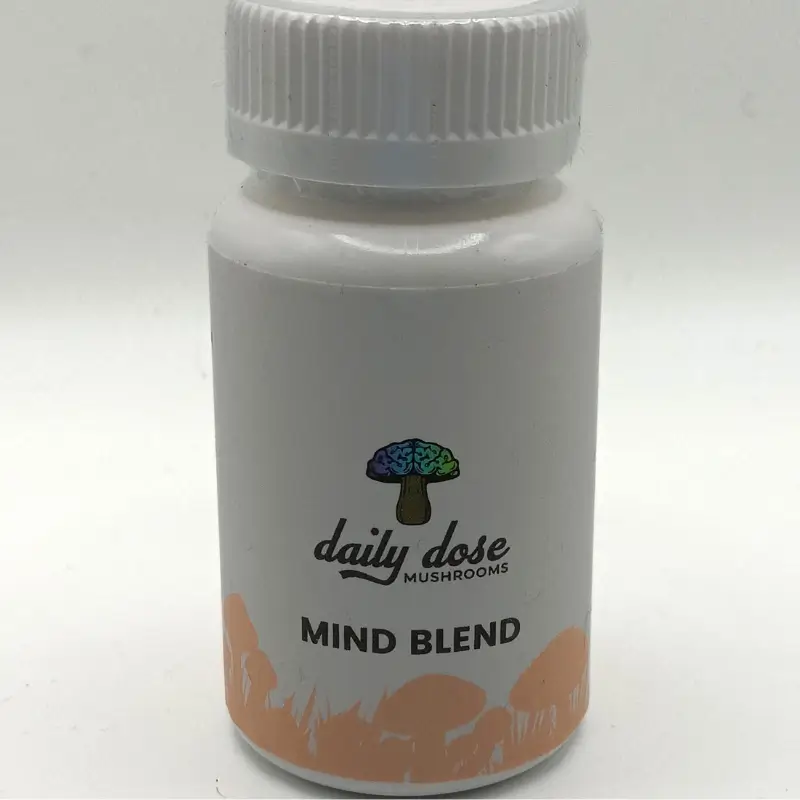
Be the first to review “Daily Dose Mushrooms Microdose – Mind Blend”
Related products
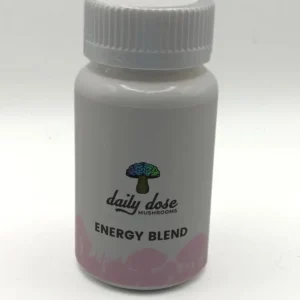
mushroom capsules
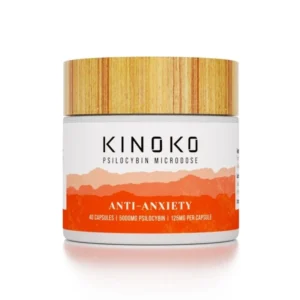
mushroom capsules
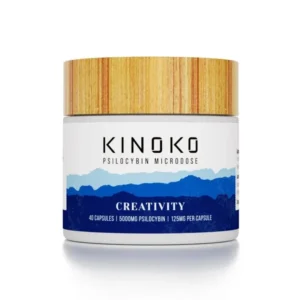
mushroom capsules
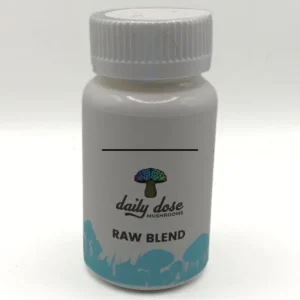
mushroom capsules
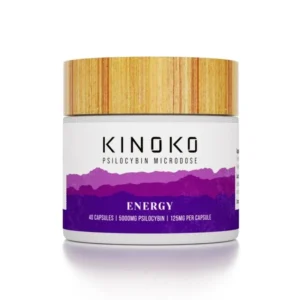
mushroom capsules
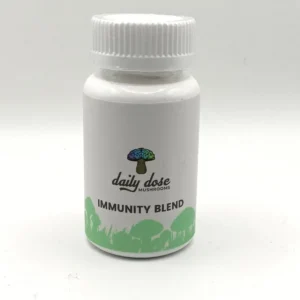
mushroom capsules
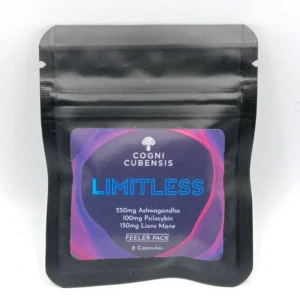
mushroom capsules
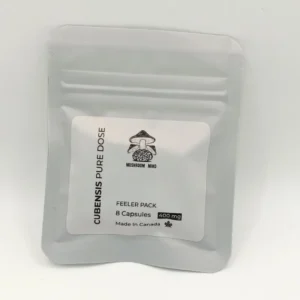
mushroom capsules
Reviews
There are no reviews yet.