Understanding Psilocybin Microdose Capsules: An Educational Overview of Research, Labeling, and Consumer Awareness
Meta Title
Understanding Psilocybin Microdose Capsules: Research, Labeling, and Consumer Awareness
Meta Description
Learn about psilocybin microdose capsules from an educational perspective. Explore current scientific research, product labeling, quality testing, legal considerations, and consumer awareness.
Introduction
Psilocybin microdose capsules are a category of products discussed in scientific research, public health, and regulatory policy. They are generally described as capsules containing measured amounts of psilocybin-containing mushroom material or purified compounds, depending on the product and jurisdiction. Interest in these products has grown alongside increasing research into psychedelics, but many questions about their long-term effects, optimal dosing, safety, and effectiveness remain under investigation.
This article is intended solely for educational purposes. It explains the science behind microdosing research, discusses how capsule products are commonly labeled, reviews quality assurance practices, and summarizes the current state of scientific evidence. It does not encourage the purchase or use of psilocybin products.
What Is Microdosing?
The term microdosing generally refers to taking very small quantities of a substance that are intended to be below the level that produces obvious changes in perception or consciousness. Researchers have studied microdosing in a variety of contexts, but there is no universally accepted definition or standardized amount used across all scientific studies.
Because research protocols differ, comparisons between studies can be challenging.
What Is Psilocybin?
Psilocybin is a naturally occurring compound found in several mushroom species belonging primarily to the genus Psilocybe. Within the body, psilocybin is converted into psilocin, which interacts with serotonin receptors in the brain.
Scientists continue investigating the chemistry, metabolism, and pharmacology of these compounds to better understand their biological effects.
Why Researchers Study Microdosing
Scientific interest in microdosing has expanded over the past decade.
Research topics include:
- Brain function
- Mood
- Cognitive performance
- Creativity
- Emotional processing
- Neuroplasticity
- Psychological well-being
- Safety and tolerability
While some observational studies have reported positive experiences among participants, randomized controlled trials have produced mixed results. Researchers generally agree that additional high-quality clinical studies are needed before firm conclusions can be made.
Understanding Product Labels
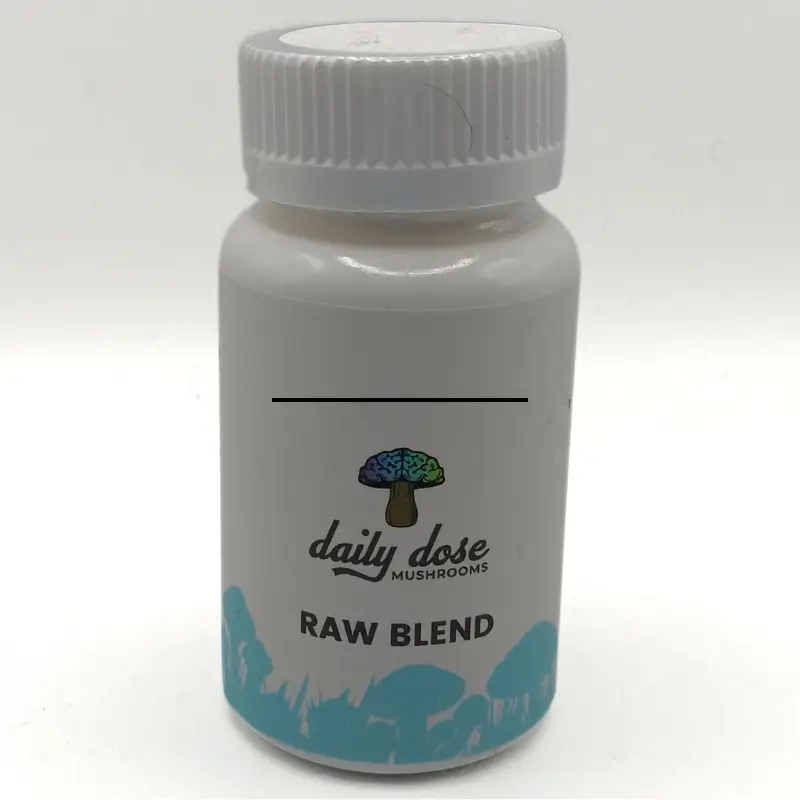
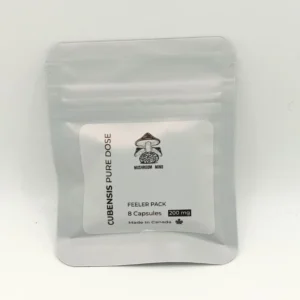
Capsule products marketed in different countries may display information such as:
- Ingredient lists
- Capsule count
- Serving size
- Batch numbers
- Manufacturing details
- Storage recommendations
- Expiration dates
Reading labels carefully is an important aspect of consumer education. Product names alone do not provide complete information about composition or quality.
Quality Assurance
Quality control is an important topic for all dietary supplements and regulated products.
Manufacturers that follow recognized quality standards may use procedures such as:
- Identity testing
- Purity testing
- Microbial screening
- Heavy metal analysis
- Moisture testing
- Batch consistency checks
Independent laboratory testing can help verify that products match their stated specifications where such testing is available.
Scientific Research Methods
Researchers use a variety of methods to study psilocybin and related compounds, including:
- Laboratory experiments
- Observational studies
- Randomized controlled trials
- Brain imaging techniques
- Psychological assessments
- Analytical chemistry
Each type of study contributes different information, and no single study provides complete answers.
What the Evidence Says
Research into psilocybin is an active and evolving field.
Scientists are investigating questions such as:
- How psilocybin is metabolized.
- How it interacts with serotonin receptors.
- Whether potential therapeutic applications exist under controlled clinical conditions.
- How safety profiles vary across different populations.
- How study design influences research findings.
Importantly, findings from clinical research conducted under medical supervision should not be generalized to commercial products or unsupervised use.
Consumer Awareness
Consumers evaluating any mushroom-derived product should consider:
- Whether ingredients are clearly disclosed.
- Whether manufacturing information is available.
- Whether independent laboratory testing is provided.
- Whether health claims are supported by high-quality evidence.
- Whether the product complies with applicable regulations.
Developing scientific literacy helps consumers interpret product information more critically.
Public Health Perspective
Public health agencies emphasize the importance of accurate labeling, transparent manufacturing practices, and ongoing monitoring of products marketed to consumers. Educational resources encourage individuals to distinguish between scientific evidence, marketing language, and anecdotal reports.
Legal Considerations
The legal status of psilocybin varies widely around the world.
Depending on the jurisdiction, psilocybin may be:
- Prohibited.
- Permitted only for approved scientific research.
- Available in limited medical programs.
- Subject to specific local regulations.
Anyone seeking information about applicable laws should consult official government resources in their jurisdiction.
Frequently Asked Questions
What is a microdose capsule?
A microdose capsule is generally described as a capsule containing a measured amount of material intended for research or other purposes, depending on the product and applicable regulations.
Is research on microdosing complete?
No. Research is ongoing, and many questions regarding effectiveness, safety, and long-term outcomes remain under investigation.
Why is product labeling important?
Clear labeling helps consumers understand ingredients, serving information, storage instructions, and manufacturing details.
Why does independent laboratory testing matter?
Independent testing can improve transparency by verifying product identity and evaluating purity and quality.
Do all products contain the same ingredients?
No. Products with similar names or packaging may differ substantially in composition, manufacturing methods, and quality standards.
Educational Keywords
psilocybin research, microdosing research, mushroom science, mycology, fungal biology, neuroscience, serotonin receptors, clinical research, product labeling, quality assurance, laboratory testing, consumer awareness, evidence-based medicine, analytical chemistry, supplement quality, scientific literacy, public health, regulatory science, mushroom biology, educational mycology
Conclusion
Psilocybin microdose capsules are part of a broader discussion involving neuroscience, mycology, pharmacology, public health, and regulation. Although scientific interest has grown rapidly, current evidence remains incomplete, and researchers continue to investigate important questions regarding safety, effectiveness, and mechanisms of action.
Educational discussions are most valuable when they emphasize peer-reviewed research, transparent product labeling, quality assurance, and critical evaluation of evidence. As the field develops, continued scientific research and responsible public education will contribute to a better understanding of psilocybin, mushroom biology, and the broader science of psychedelics.
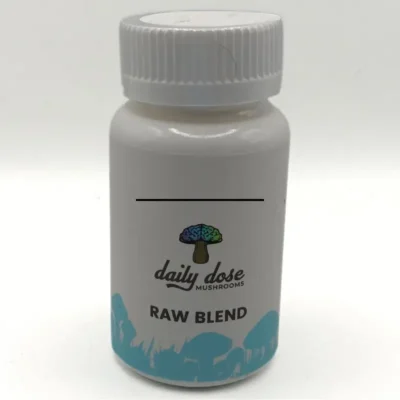
Be the first to review “Daily Dose Mushrooms Microdose – Raw Blend (9000mg)”
Related products
mushroom capsules
mushroom capsules
mushroom capsules
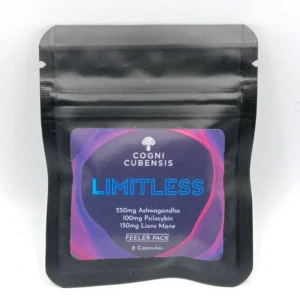
mushroom capsules
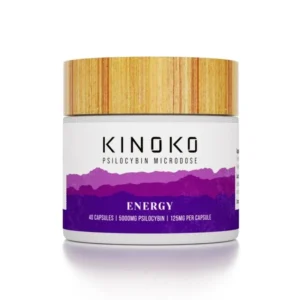
mushroom capsules
mushroom capsules
mushroom capsules
mushroom capsules
Reviews
There are no reviews yet.