
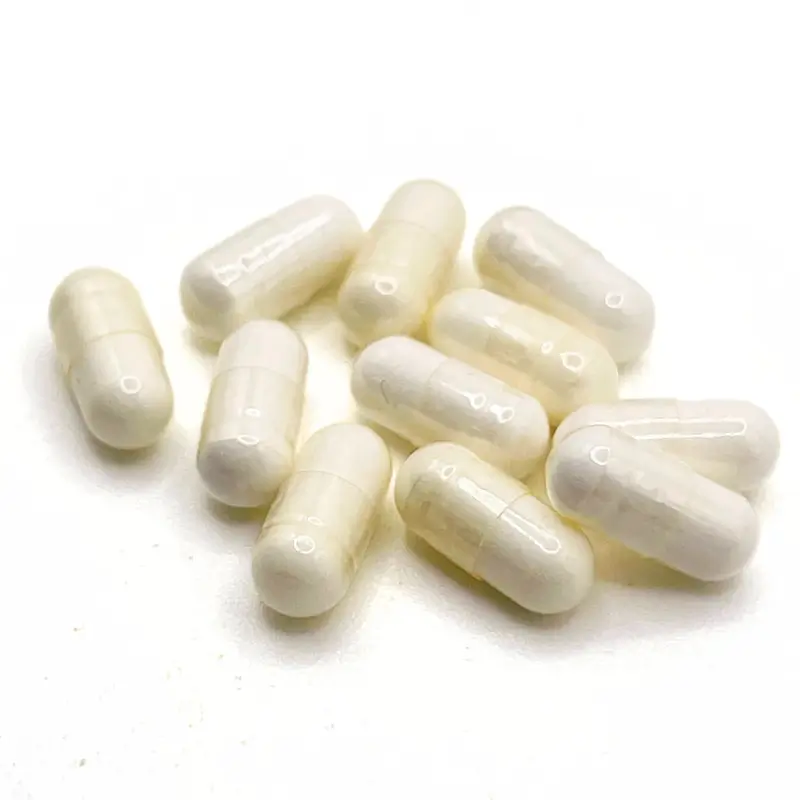
MDA Caps -100mg (Sally)
Price range: €10.00 through €108.00
Because MDA and MDMA are closely related, they can lead to similar effects. MDA is also a hallucinogen, which can cause psychedelic effects.
Buy MDA
MDA (3,4-methylenedioxyamphetamine), sometimes known by the name “Sally,” is a powerful substance that is closely related to MDMA. Because MDA and MDMA are chemically similar, the two substances can lead to similar effects. However, MDA is also a more potent hallucinogen, which can cause more pronounced psychedelic effects.
A 100mg dose of MDA is a standard recreational dose. The most common effects of MDA include increased levels of affection, a significant boost in energy, and feelings of euphoria. However, just like MDMA, MDA can lead to a handful of undesirable side effects.
Common Effects and Side Effects of MDA
- Common Desired Effects: Increased levels of affection and empathy, a significant boost in energy and excitement, feelings of euphoria and extreme pleasure, and increased levels of self-confidence.
- Common Side Effects: Problems falling or staying asleep, teeth grinding (bruxism) and jaw clenching, a significant increase in blood pressure, a significant drop in appetite, and increased sweating.
MDA (Sally) Capsules
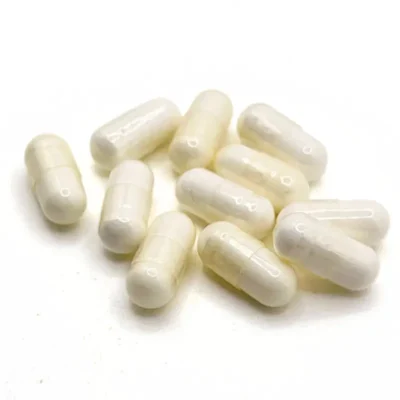
While similar to MDMA, the MDA experience is distinct. A 100mg dose of MDA is often considered equivalent in intensity to about 100mg of MDMA. The MDA journey is typically longer-lasting, more stimulating or “speedier,” and significantly more visual, with users often reporting tracers and patterns that are not as common with MDMA.
The experience from a 100mg MDA capsule can be both deeply connective and visually captivating. The “increased levels of affection and empathy” can lead to profound bonding, while the hallucinogenic aspect can make the experience more introspective or artistically inspiring than a typical MDMA roll.
MDA Caps – 100mg (“Sally”)
MDA Caps – 100mg (often referred to by the street name “Sally” or “Sass”) contain 100 milligrams of crystalline or powdered MDA (3,4-Methylenedioxyamphetamine) encapsulated in gelatin or vegetarian capsules.
While related to MDMA (“Molly” or “Ecstasy”), MDA is a distinct synthetic compound known for its stronger psychedelic effects, longer duration, and higher relative toxicity.
1. Pharmacology: MDA vs. MDMA
MDA acts as a powerful central nervous system (CNS) stimulant, entactogen, and psychedelic by triggering the release of serotonin, dopamine, and norepinephrine while directly stimulating $5\text{-HT}_{2\text{A}}$ receptors.
                   [Comparative Pharmacological Profile]

   Property           MDMA ("Molly")             MDA ("Sally")
  ───────────        ──────────────             ───────────────
  Primary Feel   :   Empathy, Warmth, Energy     Visuals, Euphoria, Psychedelic
  Duration       :   3 to 5 Hours                6 to 8+ Hours
  Sassafras/Sass :   Precursor Metabolite        Direct Precursor / Crude Extract
  $5\text{-HT}_{2\text{A}}$ Binding:   Low (Mild visuals)          High (Clear open/closed-eye visuals)
-
Potency Differential: MDA is substantially more potent than MDMA per milligram. A 100mg dose of MDA produces a significantly stronger physiological and mental load than 100mg of MDMA.
-
Duration: The active phase of MDA lasts 6 to 8 hours (with residual stimulation lasting up to 12 hours), compared to MDMA’s typical 3 to 5 hour arc.
2. Dosage Dynamics & Experience Profile
Because MDA has a steep dose-response curve, accurate milligram measurements inside capsules are critical. Unregulated street capsules carry high variance in actual fill weight and purity.
| Dosage Level | MDA Milligrams (mg) | Subjective Experience & Physiological Load |
| Threshold | 30 mg – 50 mg | Mild mood lift, subtle physical energy, light pupil dilation. |
| Standard Dose | 70 mg – 100 mg | Strong euphoria, enhanced empathy, pronounced open/closed-eye visuals, heightened sensory awareness. |
| High Dose | 100 mg – 150 mg+ | Intense visual hallucinations, strong jaw clenching (bruxism), eye wiggles (nystagmus), heavy body load. |
| Overdose / Toxic | 150 mg+ | Severe hyperthermia, confusion, panic, cardiovascular strain, muscle rigidity, and risk of seizures. |
3. Physical & Neurological Risks
MDA carries a higher risk of neurotoxicity and hyperthermia compared to MDMA:
-
Elevated Neurotoxicity: MDA metabolites are directly toxic to serotonergic neurons. Studies indicate MDA is significantly more neurotoxic than MDMA, requiring longer recovery periods between exposures.
-
Hyperthermia & Dehydration: MDA severely impairs central thermoregulation. Physical exertion (e.g., dancing) in warm environments can drive body temperature to dangerous levels (>40°C / 104°F), risking acute heatstroke and organ failure.
-
Severe Comedown: Due to deeper serotonin depletion, the “comedown” phase over subsequent days often includes acute low mood, anxiety, irritability, and severe fatigue.
4. Harm Reduction & Safety Protocols
Health agencies and harm-reduction advocates emphasize the following protocols for encapsulated psychoactives:
-
Test Before Consuming: “Sass” or “Sally” capsules frequently contain crude manufacturing byproducts, synthetic cathinones, or methamphetamine. Use multi-reagent test kits (Marquis, Froehde, and Simon’s) to verify contents.
-
Note: Simon’s reagent turns blue for MDMA (secondary amine) but remains clear/colorless for MDA (primary amine), making it essential for distinguishing the two.
-
-
Do Not Dose Like MDMA: Because MDA is more potent, taking a standard MDMA redose (e.g., matching a 100mg–150mg MDMA protocol) can easily push an MDA experience into toxic territory.
-
Avoid Poly-Substance Use: Mixing MDA with alcohol accelerates dehydration, while combining it with prescription antidepressants (SSRIs/MAOIs) or other stimulants drastically increases the risk of fatal Serotonin Syndrome.
-
Hydrate & Cool Down: Sip electrolyte solutions moderately (~250ml/hour resting, ~500ml/hour active) and take regular breaks in cooler, well-ventilated areas.
| Amount | 1, 5, 10 |
|---|
Be the first to review “MDA Caps -100mg (Sally)”
Related products
RX

Reviews
There are no reviews yet.